
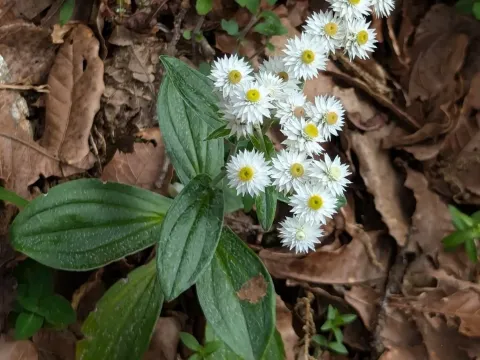
Anaphalis triplinervis
Anaphalis triplinervis
Sowing Anaphalis triplinervis seeds should be performed indoors during late February or March. The seeds are extremely tiny, so they must be scattered on the surface of moist soil without covering them.
What the section contains
Anaphalis triplinervis
To ensure successful germination, maintain a temperature of approximately 20 degrees Celsius. Regular misting with a spray bottle is necessary to keep the surface substrate constantly moist.
Seedlings emerge unevenly, typically within two to three weeks after sowing. Once two true leaves appear, the seedlings should be pricked out into individual pots for further development.
Transplanting into open ground occurs only after the danger of spring frost has completely passed. Late May is generally considered the optimal time for establishing the plants in the garden.
Alternatively, the plant can be propagated by division during spring or autumn. This method is often preferred for maintaining specific ornamental traits and achieving faster garden establishment.
Anaphalis triplinervis is a perennial herbaceous plant belonging to the Asteraceae family. It is native to the mountainous regions of the Himalayas and is highly prized for its woolly, silver-toned foliage.
The plant thrives in full sun exposure. While it can tolerate partial shade, insufficient light often results in leggy stems and a loss of the compact habit that makes the plant attractive.
It prefers sandy or rocky, well-drained soil. Effective drainage is the most important factor in its cultivation, as stagnant moisture quickly leads to root decay and overall plant failure.
The species is remarkably winter-hardy and can withstand harsh climates without requiring special protection. Its natural drought tolerance makes it a perfect candidate for low-maintenance garden designs.
In terms of fertilization, it is best to avoid excessive nitrogen, which can lead to rapid growth that dilutes the plant's characteristic silvery appearance and robustness.
Anaphalis triplinervis is generally resistant to pests and diseases, provided that basic cultural requirements are met with attention to soil drainage.
Root rot is the most common threat, primarily associated with heavy, water-logged soils. This condition is almost always preventable through proper site selection and soil amendment.
Powdery mildew may occur under conditions of high atmospheric humidity combined with poor air circulation. Proper spacing between individual plants is essential to mitigate this risk.
Insect pests rarely bother the plant because the thick, woolly hairs covering the leaves and stems act as a deterrent to most garden-variety herbivores.
Routine garden sanitation, such as removing debris and ensuring adequate ventilation, will keep the plants healthy and vigorous throughout the growing season.
The primary use of Anaphalis triplinervis is in ornamental horticulture, particularly as a popular component in dried flower arrangements due to its structural longevity.
To harvest for drying, stems should be cut when the flower heads are fully open. It is best to perform this on a dry, sunny afternoon to ensure the material is free of dew.
Cut stems should be bundled and hung upside down in a shaded, well-ventilated area. This process allows the flowers to dry while preserving their silver-grey color and shape.
In landscape architecture, the plant is effectively used as a ground cover or border plant, adding a distinct silvery contrast to green-foliaged perennials in rock gardens.
Because of its resilience and aesthetic appeal, it remains a favorite for gardeners looking for durable, weather-resistant plants that provide season-long interest.