
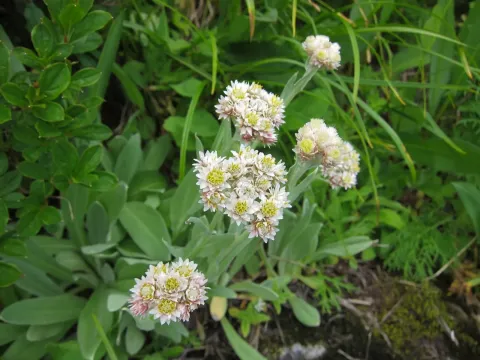
Anaphalis alpicola
Anaphalis alpicola
Anaphalis alpicola is typically propagated by seed, which should be sown indoors in late winter to ensure the plants are well-established before the outdoor season.
What the section contains
Anaphalis alpicola
The seeds are extremely small and should be sown on the surface of the growing medium without covering, as they require light to germinate effectively.
Maintain a constant temperature of approximately 20 degrees Celsius and provide moderate moisture to ensure high germination rates within a few weeks.
Seedlings should be transplanted to individual pots once they develop true leaves to promote robust root growth before being moved to the garden bed.
Direct outdoor sowing is possible in spring, provided that the soil has warmed up and the risk of heavy frost has passed completely.
As a member of the Asteraceae family, this plant is naturally adapted to mountain environments, showing remarkable hardiness and adaptability.
Full sun is essential for the plant to thrive, as it encourages the development of its signature silver-grey foliage and plentiful blooms.
The plant demands excellent soil drainage; it thrives in gritty, sandy, or rocky soil conditions where water cannot accumulate near the crown.
Anaphalis alpicola is highly drought-tolerant and requires minimal irrigation once it has become established in the garden soil.
Nutrient requirements are low, and excessive fertilizer should be avoided to prevent weak, floppy stems and loss of the plant's natural compact shape.
Root rot is the primary threat to the longevity of the plant, usually triggered by waterlogged soil during periods of excessive rainfall or poor site drainage.
Powdery mildew may occur if air circulation is insufficient or if the plant is grown in highly humid conditions without proper spacing.
Aphids can occasionally infest the growing tips during hot, dry spells, though they rarely cause fatal damage to healthy, well-situated plants.
Good garden hygiene, including the removal of dead foliage and debris, is the best preventive measure against both fungal and insect pests.
Chemical control should be considered only as a last resort, as the plant is generally robust and capable of self-recovery from minor infestations.
The primary use of this species is as an "everlasting" flower, valued for its ability to retain its silvery appearance after being dried.
Harvesting for dried bouquets should take place at the peak of the flowering season, just before the flowers begin to fade or drop seeds.
Stems should be bundled and hung upside down in a cool, dark, and airy room to preserve the integrity of the silver bracts during the drying process.
Once dried, the flowers remain stable for a long time, making them a premium material for interior decoration and creative floral arrangements.
In landscaping, it serves as an excellent texture plant in rock gardens, gravel beds, or as a contrasting element in mixed herbaceous borders.