
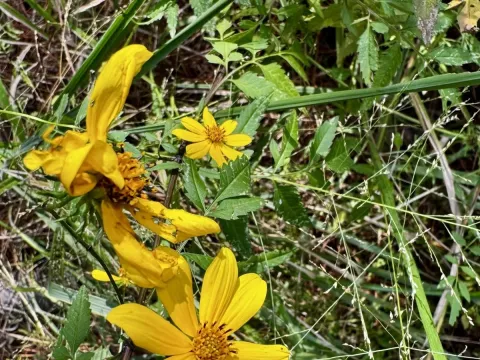
Bidens aristosa
Bidens aristosa
Bidens aristosa is an annual plant that thrives when sown in early spring, as soon as soil temperatures reach 10 to 12 degrees Celsius.
What the section contains
Bidens aristosa
The seeds possess high germination rates, and sowing is typically conducted using row or broad-row methods, depending on the specific agricultural goals.
Seeds should be planted at a shallow depth of 1-2 centimeters to ensure optimal contact with the soil and consistent moisture absorption during the early growth phase.
Maintaining the recommended seeding rate is crucial in commercial production to prevent overcrowding and to ensure each plant has adequate space for development.
Post-sowing, rolling the field helps to settle the soil around the seeds, which promotes uniform germination and prevents moisture loss from the seedbed.
Belonging to the Asteraceae family, Bidens aristosa has high water requirements and performs best in moist environments, including wetlands and riverbanks.
This crop requires full sun exposure for healthy development, as shading negatively impacts stem integrity and overall plant vigor.
While the plant is adaptable to various soil types, it achieves the highest yields on fertile, well-draining loams with a neutral or slightly acidic pH balance.
During the growing season, the plant responds best to steady temperatures ranging between 18 and 25 degrees Celsius for rapid biomass accumulation.
Agrotechnical practices must include regular inter-row cultivation to manage weeds and maintain soil aeration, which is vital for robust root development.
The agricultural value of Bidens aristosa is primarily linked to its role as a late-season honey plant, which is highly beneficial for local pollinator populations.
Yields of biomass are generally consistent, provided that moisture levels are maintained throughout the developmental stages of the plant.
Harvesting for seed production should occur during the stage of full maturity, specifically when the flower heads turn brown and before natural seed dispersal begins.
The plant also contains various biologically active compounds, making it a potential source of herbal raw materials for the pharmaceutical industry.
The economic efficiency of cultivating this crop relies on timely harvesting and proper post-harvest handling of the biomass or seed material.
The primary threats to this crop include fungal infections, which are more prevalent in high-humidity conditions or areas with stagnant air circulation.
Powdery mildew represents a significant risk to the foliage, which can suppress growth and reduce the overall health and yield potential of the crop.
Pests such as aphids and spider mites may infest the plant during hot, dry spells, requiring careful monitoring and integrated pest management.
Weed control is a mandatory component of crop management, as Bidens aristosa may struggle to compete for resources during the initial weeks of establishment.
The use of biological control agents is recommended to minimize environmental impact, especially given the plant's importance to bees and other beneficial insects.
Harvesting must be performed during dry weather conditions to prevent spoilage and mold development in the stored raw material.
Mechanized harvesting using specialized combines allows for efficient seed collection, minimizing losses and labor requirements on larger agricultural plots.
Post-harvest processing involves cleaning and drying the seeds to reach an appropriate moisture content, ensuring long-term shelf life.
When harvesting for medicinal purposes, the upper portions of the stems are gathered during peak flowering to maximize the concentration of active compounds.
Proper storage in dry, well-ventilated, and shaded environments is essential to preserve the quality of the harvested crop for commercial use.