
Blainvillea gayana
Blainvillea gayana
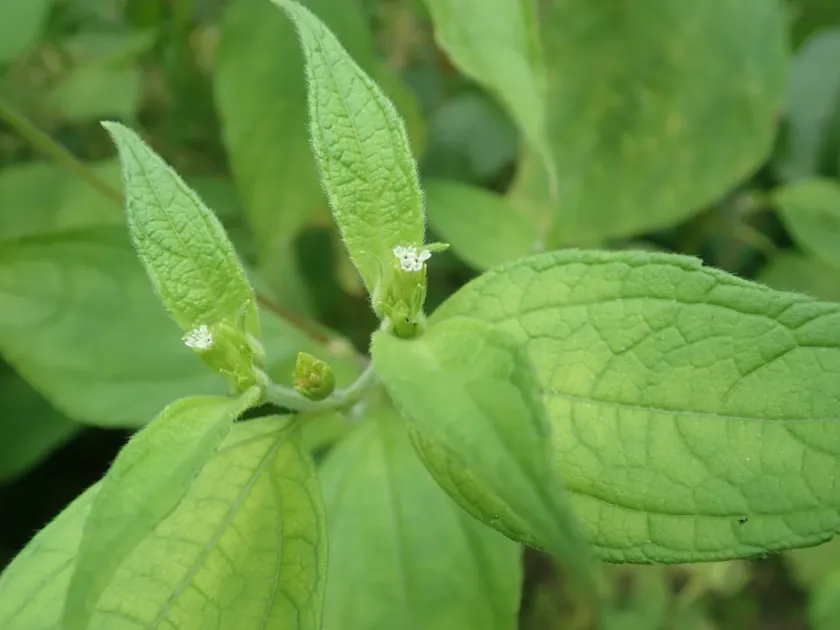
Description
Sowing dates
Blainvillea gayana is a tropical herbaceous plant that thrives in warm climates. Sowing typically coincides with the onset of the rainy season, when soil temperatures rise consistently above 25 degrees Celsius, promoting rapid seed germination.
Seeds should be sown at a shallow depth of approximately 1 to 2 centimeters to ensure they emerge quickly and efficiently. Adequate soil moisture during the initial stage is vital for the development of a healthy root system.
In agricultural settings, a wide-row sowing method is recommended. This approach reduces competition for sunlight and nutrients, while also allowing for easier mechanical maintenance of the crop fields during its active growth phases.
Young seedlings require careful attention and weed control. Since the crop can be sensitive to aggressive weeds during its early development, regular inter-row cultivation is a necessary practice for a successful establishment.
Planning the sowing time according to the local rainfall pattern is essential. The objective is to align the plant's peak growth phase with the period of maximum moisture availability, ensuring robust vegetative mass before any dry spells occur.
Growing requirements
Belonging to the Asteraceae family, this plant is well-adapted to well-drained, sandy-loam soils. It struggles in heavy, waterlogged clay soils, which can lead to root system decay and poor plant performance.
The plant is highly heliophilic, meaning it requires full sun to thrive. Shading from trees or dense planting reduces photosynthetic efficiency, leading to thin, weak stems and lower biomass production in the long term.
Blainvillea gayana prefers neutral soil pH levels. While it is hardy, the application of organic manure or moderate nitrogen fertilizer during the initial growth stages can significantly boost leaf development and overall foliage quality.
Maintaining stable moisture levels is crucial for yield. Although the plant can withstand short periods of drought, supplemental irrigation during critical growth stages will maximize both the quantity and quality of the harvest.
Proper crop rotation is necessary to manage soil health. Planting the same crop on the same plot for consecutive years can lead to the buildup of soil-borne pathogens, which may adversely affect plant vigor and resistance.
Yield
The primary use of Blainvillea gayana is as a source of green forage for livestock. Because of its excellent regrowth capabilities after being cut, farmers can often obtain multiple harvests within a single growing season.
Yield levels depend heavily on soil fertility and irrigation practices. When managed correctly in an intensive farming system, the crop provides a substantial quantity of nutritious fodder that is highly palatable to grazing animals.
Harvesting should be timed to coincide with the budding phase, which is when the protein content and nutrient density are at their peak. Waiting until the plant reaches full maturity leads to lignification of stems, reducing its forage value.
The rapid regeneration of biomass makes this plant a valuable component of pasture management. By controlling grazing intensity, farmers can ensure that the plant maintains its energy reserves for sustained yield across multiple years.
Nutritional analyses suggest that fodder harvested at the optimal stage provides essential minerals and proteins, making it an excellent base feed for ruminants. Quality control during harvest is key to maintaining these nutritional benefits.
Main diseases and pests
The plant is susceptible to common pests such as aphids and various larvae that feed on young, succulent leaves. Integrated pest management strategies, including the use of biological agents, help mitigate these risks effectively.
Fungal diseases, particularly powdery mildew, can pose a risk during periods of high humidity and poor ventilation. Keeping the field well-ventilated through proper spacing is the best preventative measure against these infections.
Root rots are frequently associated with waterlogging and poor soil drainage. Ensuring that the field is properly leveled and drained prevents the environmental conditions that favor the development of these damaging fungal pathogens.
Root-knot nematodes can also threaten the crop if soil health is not monitored. Practicing crop rotation with non-host species is the most reliable method to reduce nematode populations in the soil profile over time.
Regular monitoring of the crop for early symptoms of disease or pest infestation allows for timely intervention, protecting the overall yield and ensuring that the harvested product remains safe and healthy for animal consumption.
Harvesting
Harvesting should be completed before the plants enter the seed-set phase, as this ensures the biomass remains soft and nutritious. Mechanical mowing is the standard method, with the cutter bar set to leave a short stubble.
The cut forage should be allowed to wilt in the field for a day or two to reduce moisture content. Proper raking and turning of the windrows ensure that the drying process is even, preserving the quality of the fodder.
Once dried to a moisture content of approximately 15-18%, the forage can be baled for storage. Storing the bales in a dry, covered area prevents moisture reabsorption and protects the feed from spoilage or mold formation.
In addition to green forage, seed harvesting is an important secondary activity. Selecting the most vigorous plants for seed production ensures high germination rates and continued quality improvement for future planting cycles.
After cleaning and drying, seeds should be stored in cool, dark environments. This maintains their viability and prevents premature sprouting, ensuring a high-quality supply of seeds for the next season's agricultural activities.