
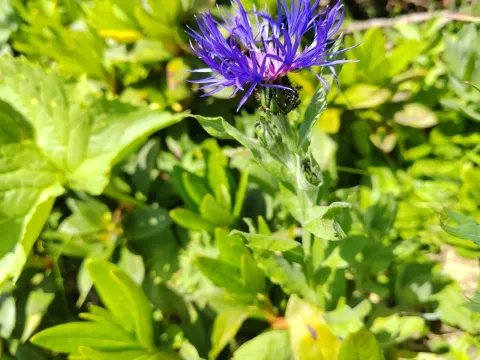
Black-fringed knapweed
Centaurea nigrofimbria
The black-fringed knapweed (Centaurea nigrofimbria) is a perennial herbaceous plant belonging to the Asteraceae family. It is primarily identified as a specialized botanical species native to specific mountainous regions, known for its distinct morphological characteristics.
What the section contains
Black-fringed knapweed
The plant requires full sun exposure to reach its maximum growth potential. It is highly intolerant of shade and performs best in open, well-ventilated fields that mimic its natural alpine or sub-alpine habitat conditions.
Regarding soil, this species prefers well-drained, sandy or loamy soils with a neutral pH balance. It demonstrates excellent tolerance for rocky or poor soils where other agricultural crops may fail to establish due to nutrient limitations.
Climate adaptability is one of the plant's main strengths, as it can withstand significant temperature fluctuations. It remains dormant during cold periods and initiates growth rapidly as soon as spring temperatures rise sufficiently.
Standard agrotechnical care involves minimal intervention. It does not require intensive fertilization, as it is adapted to nutrient-poor environments and excessive nitrogen can lead to weak, elongated stems prone to lodging.
Fungal diseases, specifically powdery mildew, are the most common issue for Centaurea nigrofimbria when grown in humid conditions with poor airflow. Proper spacing is essential to mitigate this risk.
Root rot is a critical threat during the establishment phase. High soil moisture levels combined with poor drainage are the primary causes, often leading to rapid plant mortality in heavy clay soils.
Insects such as aphids and leaf-feeding beetles can cause localized damage. Integrated pest management strategies are advised, prioritizing biological control agents to maintain the ecological balance of the site.
Weed competition is a significant concern during the early vegetative stages. Regular manual or mechanical weeding is required until the plants are fully established and can outcompete surrounding vegetation.
Monitoring for signs of chlorosis or leaf spotting is recommended throughout the growing season to catch early stages of nutrient deficiency or pathogenic infection before they spread through the population.