
Blainvillea
Blainvillea
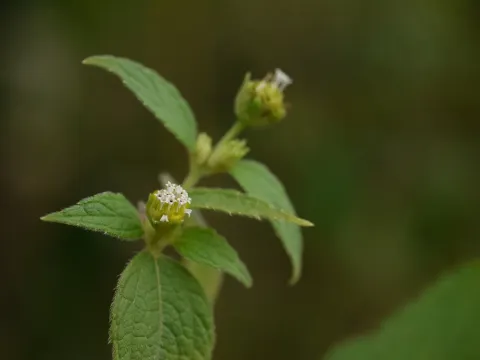
Blainvillea is a genus of flowering plants belonging to the Asteraceae family, often found in tropical and subtropical regions as a vigorous annual herb.
What the section contains

Blainvillea
Sowing should be performed when soil temperatures reach optimal levels for germination, typically in late spring or the beginning of the rainy season.
Seeds are sown at a shallow depth of approximately 1 to 2 centimeters to ensure they receive sufficient light and moisture for rapid emergence.
Uniform seed distribution is essential to prevent overcrowding, which can lead to competition for nutrients and increased susceptibility to diseases.
Due to the species' potential for natural reseeding, farmers must carefully manage the crop rotation cycles to maintain control over the field population.
This crop thrives in full sun exposure, requiring at least 6 to 8 hours of direct light daily to support its rapid vegetative growth cycle.
Well-drained soils, preferably with a loam or sandy-loam texture, provide the best environment for the development of the plant's fibrous root system.
The plant demonstrates good adaptability to high temperatures, with the ideal growth range falling between 22°C and 30°C for optimal metabolic activity.
While somewhat drought-tolerant, consistent moisture levels during the early stages of development are crucial for achieving a robust plant stand.
Soil fertility can be managed through the application of organic matter or balanced fertilizers, which promote the accumulation of lush green biomass.
Blainvillea is primarily utilized as a source of green fodder in livestock farming systems in regions where it is naturally established or cultivated.
Total yield is highly dependent on environmental variables and the frequency of harvests, which can be optimized through strategic irrigation practices.
Harvesting at the early flowering stage ensures the highest concentration of proteins and minerals, making it an excellent forage supplement.
Beyond its use as fodder, the plant's biomass serves as an effective green manure, enhancing the soil's organic structure and nutrient cycling.
Sustainable harvesting practices allow for multiple cuttings per season, maximizing the overall productivity of the cultivated area throughout the year.
Pest management for Blainvillea focuses on controlling aphids and various coleopteran insects that may feed on the tender young foliage of the plant.
Fungal pathogens such as leaf spots can become problematic in humid conditions, necessitating proper air circulation and spacing within the crop canopy.
Biological control agents, such as predatory insects, are often effective in reducing the pressure from harmful pests without the use of harsh chemicals.
Root rot is a risk factor in fields with poor drainage, which highlights the importance of proper land leveling and soil preparation techniques.
Integrated pest management strategies involve regular field monitoring to identify infestation early and apply timely, localized mitigation measures.
Harvesting should be timed to maximize yield quality, focusing on the vegetative phase before the plant begins to allocate resources primarily to seed production.
Mowing equipment should be adjusted to a specific cutting height to ensure the plant can regenerate efficiently for subsequent growth cycles.
Collected plant material can be processed immediately as fresh feed or dried for later use, depending on the specific requirements of the livestock system.
Seeds intended for future sowing should be cleaned and stored in cool, dry conditions to maintain viability until the next planting season begins.
After the final harvest of the season, residue management involves incorporating the remaining biomass back into the soil to recycle valuable nutrients.