
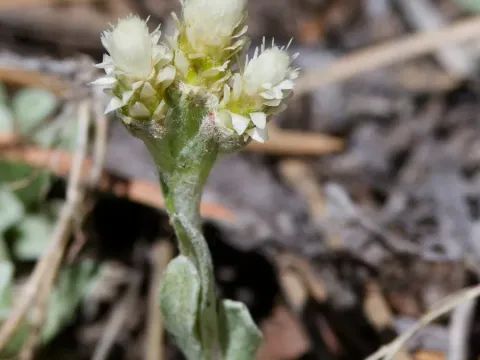
Antennaria parvifolia
Antennaria parvifolia
Seeds of Antennaria parvifolia should be sown in early spring, typically during March or April. The process is best performed in nursery trays using a high-quality, sterile, and well-draining seed starting mix.
What the section contains
Antennaria parvifolia
The seeds are minute and require exposure to light for optimal germination, so they should be sown on the surface and not buried. Lightly pressing them into the growing medium is sufficient to ensure good contact.
Maintain temperatures between +18 and +20 degrees Celsius. Germination is usually slow and irregular, necessitating patience and consistent moisture levels without waterlogging the tray.
Once the seedlings develop two or more sets of true leaves, they should be transplanted into individual containers to develop a robust root system before being moved to their final location in the garden.
Vegetative propagation is an alternative and faster method. Dividing established clumps in the early spring or late summer allows for immediate establishment in the landscape without the long growth phase from seed.
Antennaria parvifolia, a member of the Asteraceae family, is a highly adaptive perennial known for its extreme cold hardiness. It originates from mountainous regions in North America, thriving in harsh environments.
The culture requires full sun to maintain its compact habit. Planting in shaded areas leads to etiolated stems and a loss of the characteristic silvery foliage density that defines the plant's ornamental value.
Soil requirements are minimal; the plant prefers poor, rocky, or sandy substrates with excellent drainage. It is highly sensitive to damp, heavy clay soils, which often lead to crown rot during winter months.
Irrigation is only necessary during the initial establishment phase. Once settled, the plant is remarkably drought-tolerant, making it an excellent choice for low-maintenance landscaping and xeriscaping.
Fertilization should be avoided. Excess nitrogen encourages succulent, weak growth, making the plants more susceptible to winter damage and decreasing their overall longevity.
The primary yield of Antennaria parvifolia is its performance as a ground-covering organism. It spreads via stolons, creating dense, mat-forming mats that successfully suppress weed competition.
In ornamental horticulture, the output is measured by the uniform coverage of the substrate. Proper spacing at 20-30 cm intervals ensures that the plants knit together to form a solid, durable carpet within one to two seasons.
The inflorescences, resembling the pads of a cat's paw, can be harvested for dried flower arrangements. They retain their unique shape and color for extended periods if gathered at the peak of bloom.
For commercial nursery production, the yield is calculated by the number of viable divisions obtained from a single mature mother plant per cycle, which can reach significant numbers in healthy specimens.
While historically used in traditional herbal medicine for respiratory relief, its current agricultural importance is primarily centered on sustainable landscaping and ecological site restoration.
Antennaria parvifolia is remarkably resistant to most common pests and diseases, largely due to the fine, woolly hairs (trichomes) covering its leaves, which serve as a natural physical deterrent.
The most significant threat is root rot, triggered by poor drainage or excessive humidity. Ensuring the planting site has a high percentage of grit or gravel is the best preventative measure.
Powdery mildew can occasionally appear in seasons with high atmospheric humidity and poor ventilation. Keeping the planting area open and preventing leaf overcrowding helps maintain plant health.
Insects like aphids are rarely an issue. If infestations occur, they can be managed with organic insecticidal soaps or neem oil applications, though chemical intervention is seldom required.
Effective management requires proactive monitoring of surrounding vegetation, as neighboring species may harbor pests or pathogens that could potentially transition to the Antennaria population.