
Common daisy
Bellis perennis L.
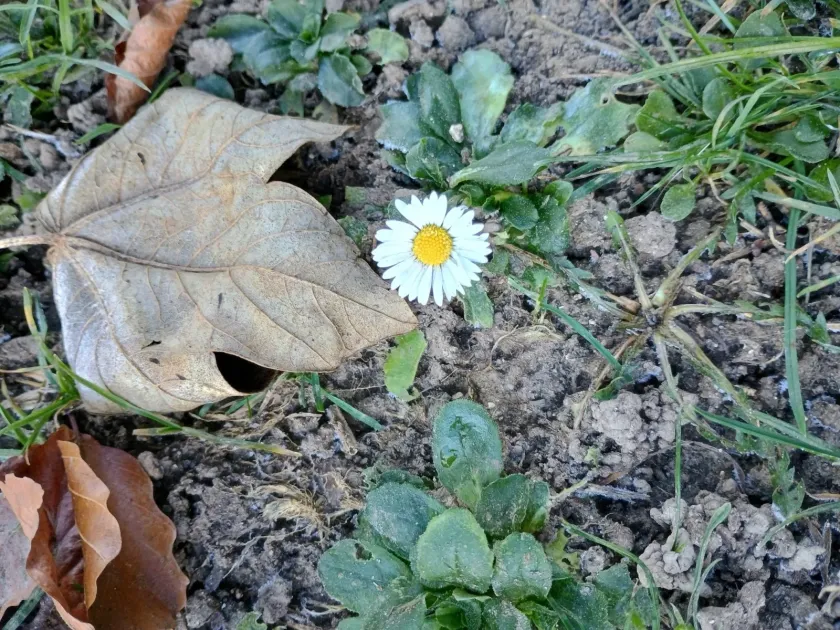
Description
Sowing dates
The common daisy (Bellis perennis L.) is a herbaceous perennial plant belonging to the Asteraceae family, native to Europe and the Mediterranean region.
Cultivation typically begins with sowing seeds in early spring in greenhouses or directly into open ground during the summer months when soil temperatures are warm.
Seeds are tiny and light-dependent for germination, meaning they should be sown on the surface of the soil with only a light dusting of substrate or fine sand.
Germination usually takes about one to two weeks at a constant temperature of around 18–20 degrees Celsius, requiring a consistent moisture level.
Seedlings are pricked out and planted in their final growing positions in autumn or the following spring to allow for robust rosette formation before flowering.
Growing requirements
This species thrives in sunny to partially shaded locations, making it versatile for lawns, borders, and rock gardens with appropriate drainage.
It prefers fertile, loamy, and humus-rich soils that maintain moisture without becoming waterlogged, as it cannot tolerate prolonged drought or standing water.
Regular irrigation is essential during the active growing season, especially during hot spells, to maintain continuous flowering and prevent the plant from becoming dormant.
Nutrient requirements are met through the application of balanced fertilizers, which promote vibrant color and size in the flowers throughout the season.
Although hardy, protecting the base of the plant with organic mulch during cold winter months helps maintain health and prevents frost heaving in exposed areas.
Main diseases and pests
Powdery mildew is a prevalent issue in dense plantings, appearing as white dust on leaves and stems, which can be managed with improved airflow.
Root rot and stem rot, often caused by over-irrigation or heavy, poorly draining soils, are significant threats to the longevity of the plant.
Aphids are the most common pests that infest the flowering stalks, leading to stunted growth and potentially spreading viral pathogens between plants.
Spider mites can become a problem in hot and dry weather, causing the foliage to turn yellow and eventually weakening the overall plant structure.
Integrated pest management, including regular weeding and timely removal of infected plant debris, is vital for maintaining a healthy and disease-free garden.