
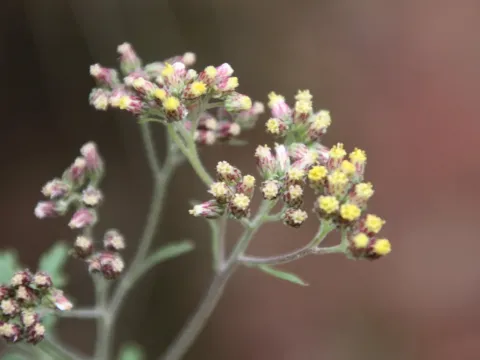
Schimper's fleabane
Erigeron schimperi
Schimper's fleabane, scientifically known as Erigeron schimperi, belongs to the diverse Asteraceae family. Originating from the high-altitude regions of Ethiopia, this plant is well-adapted to mountainous conditions and thrives in environments with intense sunlight and rocky terrain.
What the section contains
Schimper's fleabane
The successful cultivation of this species requires a well-draining soil mix that prevents water accumulation. As an alpine plant, it demands high aeration levels around the root zone, making rocky or gravel-amended soils the most suitable for long-term health.
Climate requirements for this plant include a preference for cool, airy conditions. It shows remarkable resilience to thermal fluctuations; however, it is highly sensitive to excessive moisture during the dormant season, which can lead to root system degradation.
Agricultural management should focus on maintaining a moderate irrigation schedule. During the growing season, consistent moisture is necessary, but the soil should be allowed to dry out significantly between watering sessions to emulate the natural hydrological cycles of its native habitat.
Nutritional needs are relatively modest. While the plant benefits from mineral supplementation, it is essential to avoid high nitrogen inputs, which can weaken the plant's structural integrity and make it more susceptible to environmental stressors.
Schimper's fleabane is susceptible to several pathogens if maintenance protocols are not followed. Fungal infections, particularly root rot, are the most significant threats, occurring primarily when drainage is inadequate or humidity remains persistently high.
Insect pests, including aphids and spider mites, are common issues. These organisms feed on the sap of the plant, often leading to chlorosis, stunted growth, and a significant decrease in the visual and biological quality of the foliage and flowers.
Integrated pest management is the recommended approach for this culture. This includes physical removal of pests, environmental adjustments to discourage outbreaks, and the targeted application of pesticides only when cultural methods fail to contain the infestation.
Prevention of disease starts with soil sterilization and careful monitoring of irrigation frequency. Providing adequate spacing between plants ensures proper airflow, which is critical for reducing the micro-humidity that favors fungal growth.
Proactive management of the agricultural site is vital. Regular weeding and debris removal decrease the likelihood of pest reservoirs, while monitoring for early symptoms of nutrient deficiency or stress allows for immediate corrective actions to preserve plant vigor.