
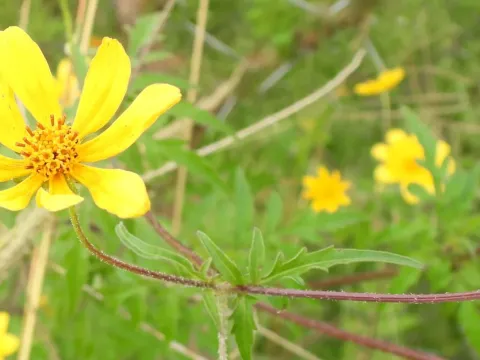
Schimper's Beggartick
Bidens schimperi
Schimper's Beggartick (Bidens schimperi) is a member of the Asteraceae family, recognized for its specific biological profile and potential as an industrial crop. It is distinct from common weed varieties due to its unique chemical composition often sought for pharmaceutical purposes.
What the section contains
Schimper's Beggartick
The plant originates from the highland regions of Eastern Africa. This geographical origin dictates its ecological preferences, requiring environments that mimic its natural tropical and subtropical mountainous habitats to achieve optimal growth and nutrient accumulation.
For cultivation, well-drained, fertile soil with a balanced pH level is essential. The species performs poorly in waterlogged environments or compacted soils, which can stunt its root development and significantly reduce the quality of the harvested aerial parts.
Climate requirements include exposure to substantial sunlight and temperatures that do not drop below freezing. The plant thrives in environments with steady moderate temperatures, making it a seasonal crop in many temperate regions where frost poses a significant risk to development.
Agrotechnical practices require consistent weed management during the early establishment phase. Furthermore, soil nutrient management, specifically monitoring nitrogen and phosphorus levels, is critical for maximizing the yield of the vegetative parts used in various industrial applications.
The harvesting process of Schimper's Beggartick is time-sensitive, occurring primarily during the full flowering stage. This timing is vital as it correlates with the highest concentration of essential secondary metabolites found within the stems and leaves.
Mechanical harvesting is typically employed for large-scale operations, utilizing equipment adjusted to ensure a clean cut. Proper harvesting height ensures that the plant remains healthy enough for potential secondary growth if the growing season allows for it.
Post-harvest management involves rapid drying under controlled conditions to prevent the degradation of heat-sensitive compounds. Drying temperatures should be strictly monitored to maintain the integrity of the essential oils and antioxidants present in the plant material.
Once dried, the raw material is processed into specific sizes for market distribution. Maintaining low humidity during storage is paramount to prevent moisture-induced spoilage or microbial growth, which could render the harvest unsuitable for cosmetic or medicinal use.
The primary use of this crop is in the production of herbal extracts and therapeutic formulas. As global demand for natural plant-based ingredients grows, Schimper's Beggartick represents a niche but valuable component of the sustainable medicinal plant industry.