
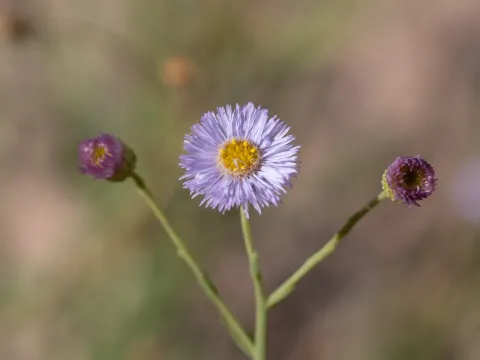
Minuria
Minuria
Minuria is a genus of perennial herbs and subshrubs belonging to the Asteraceae family. These plants are native to Australia, where they have adapted to survive in some of the most arid and challenging environments on the continent.
What the section contains

Minuria
Botanically, Minuria plants are characterized by their ability to thrive in poor, well-drained soils, often flourishing in rocky or sandy terrain. Their root systems are specialized for moisture absorption in low-rainfall conditions, making them true xerophytes.
Regarding climate requirements, Minuria demands high levels of solar radiation. It is highly intolerant of waterlogged conditions, which typically lead to rapid root decay. Therefore, cultivation sites must prioritize excellent drainage and constant airflow.
The agronomy of Minuria is largely focused on low-maintenance gardening. The plant does not require high levels of fertilization or intensive irrigation. In fact, excessive feeding often leads to overgrown, weak stems that are less resistant to environmental stress.
Economically, Minuria serves as an ornamental plant in xeric landscapes. It is also explored for its potential in soil stabilization and environmental reclamation projects, where its resilience to salinity and drought can be effectively utilized.
The primary threats to Minuria are fungal pathogens, specifically those that thrive in humid environments. Powdery mildew and various root rots are the most common diseases, often triggered by improper irrigation practices or poor garden hygiene.
Pest pressure mainly comes from sap-sucking insects like aphids and mites. These pests tend to colonize the plant during dry spells when its natural resistance might temporarily fluctuate due to heat stress or lack of nutrients.
Preventative care is essential for maintaining a healthy Minuria patch. Growers should focus on keeping the foliage dry and ensuring that there is adequate space between individual plants to prevent the accumulation of moisture and humidity.
If chemical intervention is required, it must be performed with caution. Many Asteraceae species exhibit sensitivity to heavy doses of pesticides, so using targeted biological control agents is generally considered the best practice for home or landscape cultivation.
Long-term health is maintained by periodic pruning of dead or diseased biomass. This not only encourages new growth but also removes the habitat for potential pests, ensuring the plant remains vigorous throughout its growing season.