
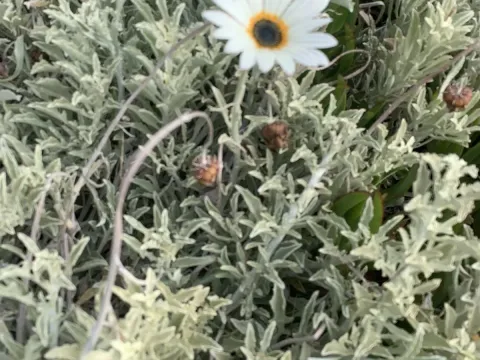
Venidium
Venidium
Venidium is a stunning annual plant belonging to the Asteraceae family, native to the sun-drenched landscapes of South Africa.
What the section contains
Venidium
For optimal results, seeds should be sown indoors in late winter or early spring, using a well-draining, sterile seed-starting mix.
It is crucial to provide bright, indirect light for the seedlings to prevent them from becoming spindly or weak during the early growth phase.
Transplanting to the permanent garden site should occur only after all risks of frost have passed, as the plant is highly sensitive to cold temperatures.
Proper spacing is essential; ensure each plant has enough room to spread, which helps in maintaining good air circulation around the foliage.
Venidium thrives in full sun, requiring at least six to eight hours of direct sunlight per day to produce its signature vibrant blooms.
Soil quality is paramount; the plant demands sandy, loose, and well-draining soil to prevent the crown and roots from rotting.
Watering should be approached with caution; while the plant enjoys regular moisture, it is highly drought-tolerant and dislikes waterlogged conditions.
Low-nutrient soils are generally preferred, as overly fertile ground often leads to lush leaf growth but drastically fewer flowers.
Regular maintenance, such as deadheading spent blooms, will encourage the plant to continue flowering throughout the peak of summer.
The primary health risk for Venidium is fungal infection, particularly root rot, which typically occurs due to poor soil drainage or excessive rain.
Powdery mildew can also affect the plant, usually appearing as a white, dusty layer on the leaves when air humidity levels remain high for too long.
Aphids are the most frequent insect pests, often gathering on the tender new shoots and buds, hindering the development of the flowers.
Spidermites may also pose a threat during hot, dry weather periods, causing the leaves to turn yellow or develop a speckled appearance.
Proactive care, including keeping the foliage dry and ensuring adequate spacing, is the best strategy for maintaining a healthy and robust plant display.