
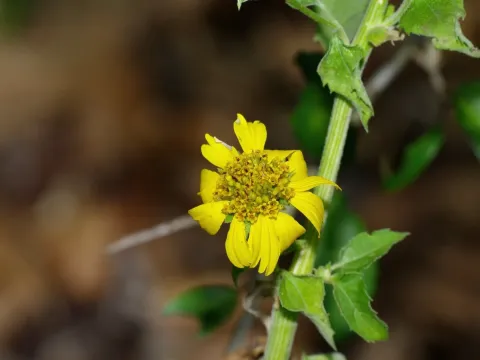
Verbesina
Verbesina
Verbesina, a member of the Asteraceae family, is typically propagated through seeds or vegetative methods, depending on the specific species. Planting in open fields is conducted in the spring, once the soil has warmed to 12–15 degrees Celsius, which ensures uniform germination.
What the section contains
Verbesina
For optimal development, the crop prefers loose, nutrient-rich substrates with excellent drainage. Seed planting depth generally does not exceed 1–2 centimeters, as their size and need for sunlight are critical factors for successful emergence.
In commercial operations, sowing is performed in rows, maintaining a spacing of 45 to 60 centimeters. This layout facilitates subsequent inter-row tillage, effective weed management, and provides plants with adequate access to necessary soil nutrients.
When using a seedling method, seeds are sown in greenhouses during late winter or early spring. Pricking out young plants is performed at the two-to-three true leaf stage, promoting robust root system development before transplanting to the permanent site.
Ensuring sufficient spacing for each plant is vital, as many Verbesina species can grow quite large. Planting density is calculated based on the biological traits of the specific variety and the intended end use of the harvest.
The crop has moderate climate requirements, preferring regions with adequate natural moisture levels. Most species adapt well to bright sunlight, though they can tolerate partial shading during the hottest parts of the day.
Soil composition plays a key role in Verbesina productivity, with a preference for loamy or sandy loam soils that have a neutral to slightly acidic pH. Avoiding waterlogging is critical, as the root system is sensitive to excessive moisture.
While the plant exhibits some drought tolerance after establishment, it requires regular irrigation during critical growth phases, especially during the budding period. Water stress at this stage can significantly reduce biomass potential and seed quality.
Soil fertility requirements are met by applying organic fertilizers during tillage and using mineral supplements during the active growth phase. Nitrogen fertilizers are particularly effective in stimulating the vegetative mass needed for forage purposes.
The crop is sensitive to strong winds, so choosing sites protected from drafts is recommended for taller varieties. Practicing crop rotation helps minimize the buildup of species-specific pathogens in the soil.
Verbesina yield depends directly on management practices and the specific species traits. Under intensive cultivation, biomass production can be quite high, making it a promising candidate for use as a green manure or supplemental forage.
Maximum productivity is achieved by maintaining optimal nutrient levels and managing weeds effectively. In the second and third years of growth, perennial forms typically demonstrate significantly higher yields compared to the initial establishment year.
Biomass harvest for forage is conducted before the stems begin to lignify, when nutrient concentration in the leaves reaches its peak. This ensures the harvested material has the best possible digestibility indices.
For seed production, yield is limited by the number of well-formed achenes on the flower stalks. Uneven ripening necessitates careful monitoring of the harvest timing to prevent significant losses due to seed shattering at full maturity.
Economic efficiency analysis shows that Verbesina can provide stable yields even on low-productivity land, expanding its potential as a non-traditional crop within the agricultural sector.
Primary pests that can damage the crop include aphids and various species of weevils. Control measures involve both preventive monitoring and the application of insecticides if pest populations exceed the economic injury threshold.
Fungal diseases, such as powdery mildew and various leaf spots, are common in environments with high humidity and poor ventilation. Systemic fungicides are typically effective in controlling these outbreaks if detected early.
Root rots may occur due to chronic waterlogging or improper irrigation practices. Prevention includes selecting well-drained sites and managing organic fertilizer applications to ensure a balanced soil microbial environment.
Weed pressure poses a significant threat during the early stages of plant development as they compete for moisture and light. Timely inter-row cultivation and soil mulching effectively reduce the weed density within the fields.
Regular phytosanitary monitoring is recommended on a weekly basis, especially during periods of volatile weather. Early identification of infection hotspots allows for localized treatment, preventing the spread across the entire crop area.
Harvesting Verbesina biomass is done mechanically using forage harvesters. The optimal timing is during the active flowering phase, when the plant has stored the maximum amount of nutrients, suitable for further processing or silage production.
When collecting seed material, harvesting begins when the flower heads turn brown, taking care to avoid over-drying to prevent losses from shattering. A two-step harvest process—swathing followed by threshing after drying—is often employed.
Post-harvest processing includes cleaning the seeds of impurities and adjusting moisture content for long-term storage. Using temperature-controlled dryers allows for the preservation of the seed's planting quality.
Plant residues remaining after the harvest can be incorporated into the soil as green manure to improve soil structure and organic matter content. This serves as an additional benefit for sustainable farming practices.
Stored raw materials must be kept in well-ventilated warehouses, protected from rodents and moisture, to prevent mold development and loss of nutritional value.