
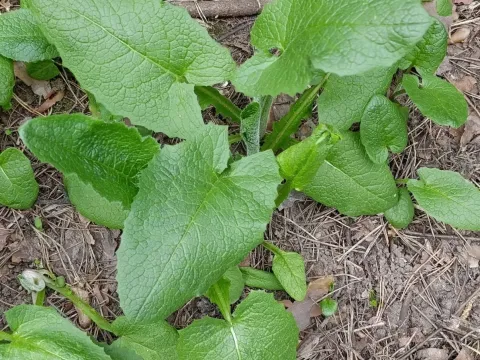
Siberian blue lettuce
Lactuca macrophylla
Siberian blue lettuce, known scientifically as Lactuca macrophylla, is a perennial herbaceous plant belonging to the Asteraceae family, widely recognized for its robust growth.
What the section contains
Siberian blue lettuce
For successful establishment, seeds should be sown in early spring into well-prepared, friable soil to ensure optimal germination rates and root development.
The seeds are small and require shallow placement, ideally at a depth of 1 to 2 centimeters, to allow the young seedlings to emerge effectively through the soil crust.
Commercial cultivation practices involve row seeding with a spacing of about 45 to 60 centimeters, which allows for mechanical weed control during the establishment year.
Ensuring proper moisture immediately after sowing is critical, as the seeds are sensitive to desiccation and require consistent hydration during the initial germination phase.
This crop thrives in temperate climates and is highly regarded for its winter hardiness, allowing it to survive harsh conditions in various northern regions.
Lactuca macrophylla prefers fertile, loamy soils that possess excellent moisture retention capabilities, though it also requires adequate drainage to prevent root rot.
While the plant can tolerate partial shade, it achieves the highest biomass yields when grown in full sun, provided that water requirements are sufficiently met.
Soil nutrient management is essential; regular applications of organic matter or balanced mineral fertilizers encourage the vigorous growth of the leafy biomass.
Field maintenance should focus on preventing water stagnation, especially during early spring when melting snow can create overly saturated conditions unsuitable for the roots.
The yield potential of Siberian blue lettuce is significant due to its rapid regeneration capabilities, allowing for multiple harvests within a single growing season.
Under optimal management, growers can expect high volumes of green fodder, which remains nutrient-dense and highly palatable for livestock throughout its growth cycle.
The crop's ability to persist for many years on the same plot makes it a cost-effective choice for farmers looking to reduce the need for frequent tillage and replanting.
Its high protein and mineral content make it an excellent supplementary feed that supports livestock health and increases productivity in dairy and meat production.
Peak biomass production usually occurs in the third year after establishment, once the plant's root system has fully matured and can support intensive vegetative growth.
Like many species in the Asteraceae family, Siberian blue lettuce can be susceptible to aphid infestations, which can stunt the growth of young plants if not monitored.
Powdery mildew represents a primary fungal threat, particularly in dense stands with poor airflow and high humidity levels, leading to reduced fodder quality.
Slugs and snails may target the tender leaves, necessitating the maintenance of clean fields and proper drainage to minimize habitats conducive to these pests.
Preventative cultural practices, such as maintaining recommended row spacing and timely weeding, are the most effective strategies for managing potential disease outbreaks.
In cases of severe infestation, targeted agricultural interventions should be applied, always keeping in mind the necessity of maintaining the crop's suitability for animal feed.
The ideal window for harvesting occurs at the onset of the budding phase, when the concentration of proteins, vitamins, and nutrients in the leaves is at its maximum.
Mechanical harvesting should be carried out at a height that preserves the basal buds, ensuring the plant can quickly recover and produce secondary growth for subsequent harvests.
Post-harvest management involves rapid handling of the biomass to prevent excessive drying or unwanted fermentation, which could degrade the nutritional quality of the feed.
Strategic scheduling of harvests, typically spaced 30 to 45 days apart, maximizes the annual yield while maintaining the vigor of the perennial rootstock.
Efficient harvesting ensures that the forage remains soft and digestible, which is crucial for maximizing intake and utilization by farm animals.