
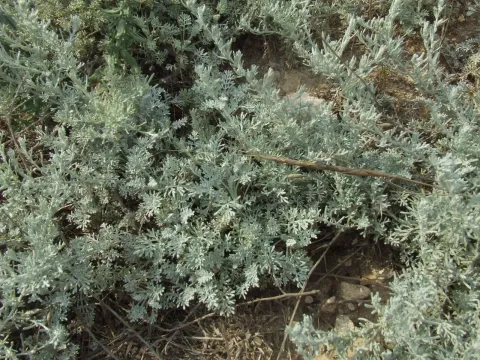
Artemisia fragrans
Artemisia fragrans
Sowing of Artemisia fragrans is typically conducted in autumn or early spring when soil temperatures allow for germination. Because the seeds are extremely small, they require a shallow planting depth of no more than 0.5–1 cm to ensure proper development.
What the section contains
Artemisia fragrans
Ensuring close contact between the seeds and the moist soil is essential; therefore, rolling the field after sowing is a common practice. A planting distance of 45–60 cm between rows is recommended to facilitate mechanical weeding and ensure adequate space for mature plants.
Seedlings usually emerge within two to three weeks, during which weed control is critical. In the first year, the plant invests most of its energy into developing a basal leaf rosette, meaning the crop is vulnerable to competition from invasive grasses and weeds.
For small-scale or greenhouse-based operations, transplanting seedlings is an effective way to improve initial survival rates. Seedlings should be moved to the field once the threat of frost has passed to ensure a robust and uniform stand.
The agronomic strategy focuses on the plant's adaptation to arid conditions. Proper seedbed preparation, combined with adherence to specific sowing dates, maximizes the emergence rate and sets the stage for a productive harvest cycle.
Artemisia fragrans belongs to the Asteraceae family and is highly tolerant of drought, making it an excellent candidate for semi-arid environments. It thrives in open, sunny locations, as exposure to full sunlight is necessary to maximize the production of essential oils.
The species prefers well-drained, light-textured soils such as sandy loam or stony soils. High-clay soils or areas prone to waterlogging should be avoided, as stagnant moisture can cause root rot and significantly diminish the quality of the harvest.
Ideal growth temperatures range from +20 °C to +28 °C. The plant features a deep, extensive root system capable of accessing water from lower soil profiles, which allows it to remain productive during long, dry summer spells typical of its native range.
Although it thrives in infertile, natural conditions, moderate application of phosphorus and potassium-based fertilizers can enhance plant vigor. However, excessive nitrogen should be avoided as it can weaken the plant and reduce the concentration of aromatic compounds.
Regular inter-row cultivation is required not only to eliminate weeds but also to improve soil aeration. Consistent aeration promotes better root respiration and prevents the formation of hard soil crusts, which is vital for long-term plantation health.
The yield of Artemisia fragrans typically stabilizes from the second year onward. With proper care, an established plantation can remain productive for 5 to 7 years, providing a consistent supply of biomass and essential oil raw materials.
Farmers can expect a dry biomass yield ranging from 1.5 to 3 tons per hectare under standard cultivation practices. Yield is highly dependent on the density of the planting and the climatic conditions during the active growth phase.
The most important factor in yield quality is timing the harvest to coincide with the peak flowering period. This is when the plant's secondary metabolites are at their highest concentration, ensuring the best value for pharmaceutical or industrial use.
Following the fourth year, the application of micronutrients may be necessary to maintain plant metabolic activity. Well-managed fields often show consistent output, while neglecting nutrient management leads to a gradual decline in oil yields.
Modern irrigation methods, such as drip irrigation, have shown potential to increase yields by approximately 20–30% in drier regions. Minimizing harvest losses through efficient machinery ensures that the potential yield is fully captured at the end of the season.
Artemisia fragrans naturally produces potent essential oils that act as a defense mechanism against many insects. However, in excessively humid conditions, the plant may become susceptible to powdery mildew, which affects the leaf surface.
Aphids and certain types of weevils can occasionally cause damage if the plants are stressed. Proper nutrient balance is key; over-fertilizing with nitrogen creates soft tissues that are more attractive and susceptible to these types of pests.
Root-rot fungi, such as Fusarium, are the primary biological threat in areas with poor drainage. Once established, these infections are difficult to control, making preventative soil management and site selection the most critical aspects of crop protection.
Integrated pest management, including crop rotation and spatial isolation from other Asteraceae species, is highly recommended. These practices help break the life cycles of pathogens and reduce the need for chemical interventions.
Regular field scouting is essential to identify problems early. Using biological controls and sustainable agronomic practices ensures the crop remains clean and suitable for high-value uses in the medicinal or perfume industries.
Harvesting is typically done using mechanical mowers set to a cutting height of 10–15 cm. This height ensures that the crown and root system remain intact, allowing the plant to regrow for the next season.
The harvest timing is determined by the development of the inflorescences; the initiation of flowering is the signal for harvesting. Harvesting at this stage ensures the highest possible concentration of volatile organic compounds.
Immediate processing is required post-harvest to prevent biomass heating and the degradation of oils. The material should be dried in shaded, well-ventilated areas or specialized dryers where the temperature is maintained at or below 40 °C.
Dried biomass should be stored in a cool, dark, and dry environment. It is critical to keep the product away from other chemicals or strong-smelling goods, as the plant tissue is highly absorbent and can easily take on foreign odors.
Final product quality is evaluated based on color retention and the intensity of its characteristic fragrance. A high-quality harvest, correctly dried, represents a premium raw material for global pharmaceutical and fragrance supply chains.