
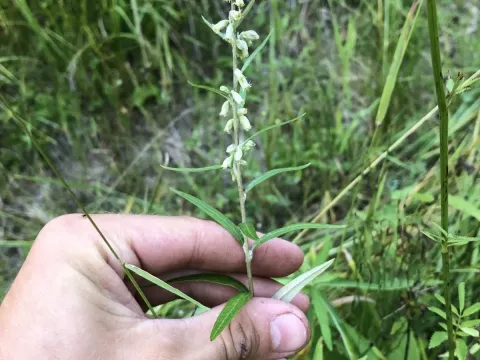
Artemisia integrifolia
Artemisia integrifolia
Artemisia integrifolia is a perennial plant that can be propagated through seeds or vegetative division of the root system. Sowing is typically carried out in early spring as soon as the soil warms up to a range of 8–10 degrees Celsius.
What the section contains
Artemisia integrifolia
For optimal development, seeds should be sown in rows with a spacing of 60–70 cm. This distance ensures that each plant receives sufficient access to sunlight and soil nutrients during the intensive growth phase.
The seeds should be covered with a thin layer of soil, no deeper than 1–2 cm, as they are small and require proper soil contact to initiate germination. Keeping the surface layer moderately moist is crucial during the first two weeks.
Using seedling starts from greenhouses can significantly improve the establishment rate of the plantation. This method allows plants to gain strength before being transplanted into the open field, usually 40–50 days after sowing.
Autumn sowing is an alternative for regions with adequate moisture, allowing the seeds to undergo natural stratification, which results in more vigorous seedling emergence at the start of the next season.
As a light-loving species, this crop requires open, sun-exposed fields. Shading can significantly decrease the concentration of essential oils and other valuable secondary metabolites in the foliage.
Artemisia integrifolia is naturally drought-tolerant, but to achieve high yields of biomass, supplemental irrigation is recommended during prolonged dry spells, especially during the active vegetation stage.
The ideal soil for this crop is light-textured, such as sandy loam or loose loam, with a neutral to slightly alkaline pH. Good drainage is essential, as waterlogged conditions can lead to root diseases.
The plant is highly adaptable to temperate climates and handles winter frost well. The optimal temperature range for the vegetative period is between 18 and 25 degrees Celsius.
Balanced fertilizer application, particularly avoiding excessive nitrogen, is necessary to ensure high-quality production. Too much nitrogen can stimulate rapid leaf growth at the expense of oil content.
The yield of Artemisia integrifolia reaches its peak between the second and fifth year of the plantation's life. Growers can expect up to 15 tons of dry biomass per hectare under ideal conditions.
The essential oil content within the plant varies throughout the growing season. The highest concentrations are achieved during the peak flowering phase, making this the most critical time for harvesting.
Economic viability is sustained through diligent management of the crop over its 5–7 year lifespan. Proper maintenance and timely soil aeration between rows are essential for long-term productivity.
Post-harvest processing must be performed promptly to prevent the evaporation of essential oils. Modern drying equipment is recommended to maintain the integrity of the plant's active compounds.
Market demand for medicinal and cosmetic ingredients drives the economic prospects for this crop, making it a reliable choice for long-term agricultural planning.
Powdery mildew and various forms of rust are common in environments with high humidity. Maintaining adequate spacing and ensuring good airflow within the canopy are effective preventative measures.
Pests such as aphids and leaf beetles can cause damage to young foliage early in the season. Biological pest control methods are preferred to maintain the organic standards of the medicinal raw materials.
Weed management is critical primarily during the first year of establishment. Once the root systems are fully developed, the plant becomes highly competitive against most common field weeds.
Root rot is usually a symptom of poor drainage or overwatering. By choosing fields with appropriate terrain and soil structure, the risk of soil-borne pathogens can be minimized.
Implementing crop rotation, although not strictly necessary due to the plant's longevity, can help manage soil health and prevent the buildup of specific crop-related pests over time.
Harvesting is conducted by mowing the above-ground biomass. The ideal timing for this operation is when the plants reach their full flowering stage, ensuring maximum extractable compounds.
The cutting height is crucial; it should be set at 10–15 cm above the soil surface. This protects the crown and root buds, which are essential for the plant's regrowth in the following seasons.
Mechanical harvesting is the standard method for large-scale production. It is important to ensure that cutting equipment is sharp to avoid splintering the stems, which can affect the quality of the raw material.
Harvesting should occur on dry, sunny days. It is vital to move the cut material into drying facilities quickly to avoid sun damage and the loss of essential volatile components.
After the primary harvest, the field should be monitored for any remaining debris, and the stubble should be managed to prepare the plants for winter dormancy and spring regrowth.