
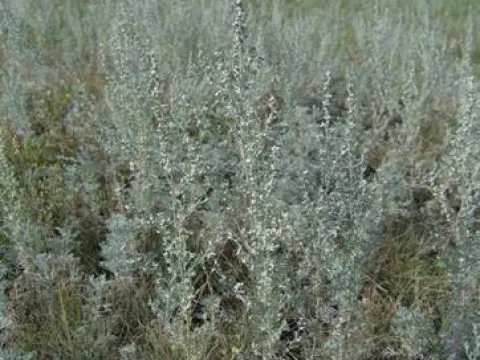
Artemisia lerchiana
Artemisia lerchiana
Artemisia lerchiana is a small semi-shrub belonging to the Asteraceae family, which reproduces primarily by seeds in its natural habitat. For agricultural cultivation or pasture improvement, seeds are sown in late autumn or early spring when soil moisture is consistent.
What the section contains
Artemisia lerchiana
The seeds of this plant show high germination rates during the first two years, so it is recommended to use fresh sowing material. When growing on plantations, farmers maintain row spacing of approximately 45–60 centimeters to ensure adequate nutrition and space for growth.
The seeding depth should be minimal, not exceeding 0.5–1 centimeter, as the small seeds require close soil contact and good light exposure to successfully germinate.
Natural regeneration of the species occurs via self-seeding at the end of summer when the achenes fall onto the prepared soil surface, where they undergo natural stratification during the winter months.
In field conditions, Artemisia lerchiana crops require minimal maintenance, although weeding during the first year is essential to suppress aggressive weeds that might otherwise compete with the seedlings.
The crop is a classic xerophyte, perfectly adapted to a sharply continental climate characterized by hot summers and cold winters. It demonstrates high resistance to prolonged droughts and soil salinity.
Artemisia lerchiana thrives on chestnut, light chestnut, and brown semi-desert soils, including saline areas where other forage crops fail to demonstrate productivity.
The plant is heliophilous and cannot tolerate shading; therefore, cultivation areas must be open with excellent insolation throughout the entire vegetative period.
Optimal pH levels for this species vary within a wide range, as the plant is tolerant to high concentrations of carbonates and gypsum within the soil profile.
The temperature range of the region is not a limiting factor for Artemisia lerchiana, as the plant is well-adapted to both severe frost and extreme summer heat.
The yield of green biomass for Artemisia lerchiana depends on annual precipitation and stand density, averaging from 2 to 5 centners per hectare in dry weight.
Within steppe phytocenoses, this wormwood provides a stable output of dry biomass at the end of the vegetative period, when other grasses and legumes have already lost their nutritional value.
Maximum productivity is typically achieved in the second and third year after sowing, once the root system has fully established within the available soil volume.
To improve yields on pastures, moderate application of nitrogen fertilizers is sometimes used, though excessive mineral fertilization may negatively impact the plant's natural drought resistance.
Calculating the yield during hay harvesting requires strict adherence to mowing dates to prevent stem lignification and the loss of essential oils, which possess high biological activity.
Artemisia lerchiana possesses strong natural resistance to diseases due to the presence of specific bitter glycosides and a high concentration of essential oils in its tissues.
The main threat to young plantings is root rot, which may occur during periods of waterlogging or stagnant meltwater in the spring.
In certain years, the crops may be affected by specific pests, such as wormwood aphids or weevils, which feed on young leaves and developing inflorescences.
Powdery mildew can affect plants during periods of abnormally high air humidity in the summer, leading to premature yellowing of the foliage.
For pest control on a commercial scale, biological protection methods are preferred, as the use of pesticides is restricted due to the intended use of the biomass as animal feed.
Harvesting for hay is conducted during the budding phase or early flowering, when the concentration of beneficial compounds and biomass nutritional value reach their peak.
When used as a pasture crop, grazing should be carried out in moderate cycles, preventing overgrazing down to the root crown to ensure long-term sustainability.
Seed harvesting is performed using mechanized methods by mowing and threshing after the achenes have acquired their characteristic grayish-brown color.
Post-harvest seed processing includes mandatory cleaning of impurities and drying in shaded areas to maintain high germination energy for subsequent sowing seasons.
For medicinal raw material harvesting, selective gathering of leafy tops is conducted, followed by drying in well-ventilated rooms away from direct sunlight to preserve the essential oil content.