
Arnica ovata
Arnica ovata
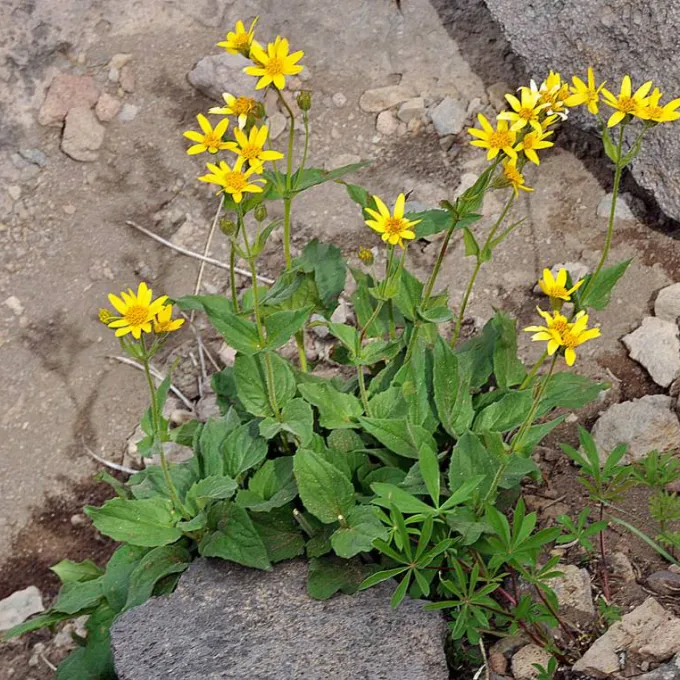
Description
Sowing dates
Arnica ovata, a member of the Asteraceae family, is a perennial plant increasingly grown for its medicinal properties. Successful cultivation begins with precise sowing practices adapted to local climatic conditions.
Sowing in open fields is typically conducted in early spring once soil temperatures reach at least 10 degrees Celsius. Late autumn sowing is also a viable option in regions with mild winters to induce natural seed stratification.
For nursery production, seeds are sown in protected structures roughly 60 days before the final transplanting date. This method ensures a robust root system and higher survival rates in the field.
Seed depth should be kept shallow, generally around 0.5 to 1 centimeter, to allow for optimal light exposure during germination. Consistent soil moisture is vital during the first two weeks.
Row spacing should accommodate machinery, typically set at 50-60 centimeters, while maintaining a plant density of 5-8 plants per linear meter to ensure proper air circulation.
Growing requirements
The plant thrives in well-drained, sandy loam soils with a slightly acidic pH, typically ranging between 5.5 and 6.5. Waterlogged soils are detrimental to root health and must be avoided.
Arnica ovata requires full sun exposure to maximize the production of active pharmaceutical compounds. Shady locations often result in lower yields and reduced plant vigor.
The ideal temperature for vegetative growth is between 18 and 24 degrees Celsius. While the plant is cold-hardy, extreme temperature fluctuations can stress the crop during early growth stages.
Fertilization should prioritize phosphorus and potassium to enhance root development and blooming. Nitrogen usage must be controlled to prevent excessive leaf growth at the expense of floral output.
Irrigation management is critical; the crop requires regular moisture but cannot tolerate standing water. Drip irrigation systems are recommended for precise water application in intensive farming.
Yield
Commercial yields of Arnica ovata stabilize by the second and third year of cultivation. Proper nutrient management and weed control are the primary drivers of high productivity.
Under optimal conditions, growers can expect an average yield of 500 to 1,000 kilograms of dried floral raw material per hectare. Efficiency peaks during the mature stages of the stand.
The timing of harvesting significantly influences the final yield quality. Harvesting when the flowers are fully expanded ensures the highest concentration of essential oils and flavonoids.
Post-harvest weight loss is normal during the drying process, as moisture content drops from approximately 70-80% down to 10-12% for long-term storage.
Continuous monitoring of plant health throughout the season allows for yield maximization and ensures that the harvest meets pharmaceutical safety standards.
Main diseases and pests
Aphids and spider mites are common pests that can severely limit production. Integrated pest management strategies, such as using natural predators, are preferred over synthetic pesticides.
Fungal diseases like powdery mildew and root rot represent significant threats. These are often triggered by poor ventilation in the field and excessive moisture levels.
Weed competition is most problematic in the first year of establishment. Mechanical weeding and strategic mulching help reduce labor costs and improve overall plant health.
Biological control agents are highly effective for managing pest populations without leaving chemical residues on the medicinal harvest.
Crop rotation practices should be strictly followed to prevent the buildup of soil-borne pathogens in fields previously used for other Asteraceae species.
Harvesting
Harvesting is performed manually or with specialized machinery during the peak bloom period. It is essential to collect only the flower heads to maintain market-grade quality.
Post-harvest processing should be immediate. The collected raw material must be transported to a drying facility to prevent oxidation and loss of bioactive compounds.
Drying is conducted at controlled temperatures, usually 40-50 degrees Celsius, in well-ventilated rooms to preserve the plant's natural color and therapeutic properties.
After drying, the product is sorted to remove debris and stems. Quality control testing ensures that the final batch meets the required standards for pharmaceutical use.
Finished goods should be stored in opaque, moisture-resistant packaging to prevent degradation by light or humidity, ensuring a shelf life of up to two years.