
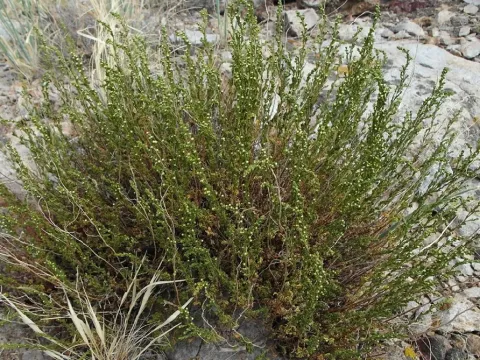
Artemisia cina
Artemisia cina
Artemisia cina, commonly known as Levant wormseed, belongs to the Asteraceae family. Due to the high sensitivity of its small seeds to environmental conditions, greenhouse cultivation is the preferred method for seedling production.
What the section contains
Artemisia cina
Seeds are sown in early spring in specialized trays. Because the seeds are tiny, they require a very light covering of soil or sand to ensure proper contact and moisture retention during the critical germination phase.
Seedlings are transplanted to the field once the danger of frost has passed. Early spring establishment allows the plants to develop a robust root system before the onset of the summer heat.
Planting density is crucial for this crop. Maintaining sufficient spacing between rows and individual plants ensures adequate airflow and light penetration, which are vital for the development of potent inflorescences.
Direct seeding is generally discouraged due to the slow initial growth rate of the species, which makes it highly vulnerable to competition from aggressive weeds in the early stages.
Artemisia cina is a sun-loving plant that thrives in open, unshaded environments. Exposure to direct sunlight is essential for the concentration of active medicinal compounds within the floral buds.
The crop prefers light, sandy, or well-drained loamy soils. It is particularly intolerant to waterlogged conditions, which can lead to rapid root rot and overall plant decline.
This species is highly drought-tolerant, adapted to arid and semi-arid climates. Its ability to thrive in dry conditions makes it an excellent choice for regions where water resources are limited.
Soil pH should ideally be neutral or slightly alkaline. In areas with acidic soil, liming is a necessary step to improve plant health and nutrient uptake efficiency during the growing season.
While the plant is hardy, it requires consistent weather patterns during the flowering stage to maximize the production of santonin, its primary chemical component of interest.
The economic yield of Artemisia cina is based on the harvest of its unopened flower buds. Commercial production usually achieves optimal yields starting from the second year of cultivation.
The inflorescences are highly valued in the pharmaceutical industry. The timing of the harvest is the most critical factor influencing both the quantity and the quality of the raw material.
Effective management includes regular maintenance of the plantations, ensuring that plants do not become overcrowded, which can negatively impact the yield of the flowering parts.
While yields can fluctuate based on annual climate patterns, a well-managed crop provides a consistent and high-quality supply of herbal material for industrial processing.
Yield sustainability depends on proper fertilization and the control of soil salinity, as the plant is sensitive to excessive accumulation of certain salts in the soil profile.
Root rot is the most significant disease threat, typically caused by improper irrigation practices or poor soil drainage. Preventive measures include ensuring loose soil structure.
Powdery mildew can occur in areas with high humidity or poor ventilation. Thinning of the plants and proper weed control are essential for reducing the risk of fungal infections.
Various insect pests can damage the foliage during the vegetative stage. Integrated pest management strategies, focusing on biological controls, are preferred to maintain the quality of medicinal herbs.
Weed management is vital in the first year of growth. Regular mechanical cultivation between rows helps to suppress unwanted vegetation and promotes water retention in the soil.
Monitoring for signs of pests or diseases on a regular basis is recommended, as early detection allows for targeted interventions that minimize the need for chemical treatments.
Harvesting is performed exclusively in the bud stage, precisely when the flowers have not yet opened. The buds contain the highest concentration of active ingredients at this specific time.
Timing the harvest requires close monitoring. A delay of even a few days can result in the opening of the flower heads, which significantly reduces their market and medicinal value.
Immediately after collection, the buds must be dried to prevent degradation. Drying is typically carried out in shaded, well-ventilated areas or in controlled-temperature industrial driers.
The drying process must be careful to avoid temperatures above 40 degrees Celsius, which could damage the delicate chemical structure of the plant's medicinal compounds.
Once dried, the raw material is cleaned of stalks and foreign matter before being stored in airtight, moisture-proof containers to ensure its shelf-life for pharmaceutical use.