
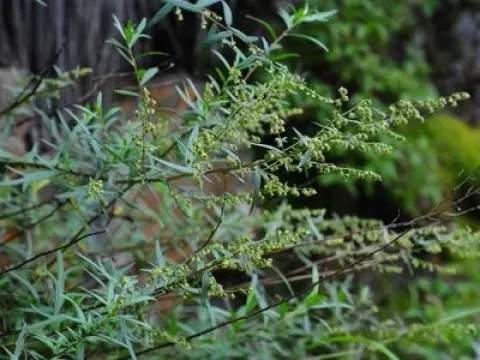
Artemisia dubia
Artemisia dubia
Artemisia dubia, a member of the Asteraceae family, is a perennial plant typically propagated through seeds or vegetative division of mature root clumps.
What the section contains
Artemisia dubia
Sowing in open fields is generally recommended during early spring once the soil temperature consistently reaches 8–10 degrees Celsius for optimal germination.
For professional nursery production, seeds are started indoors in late winter to ensure robust seedling development before transplanting into the field.
The planting substrate must be well-draining and slightly alkaline to acidic, providing the necessary aeration for delicate seedlings to establish their root systems.
Vegetative propagation via root division is a preferred method for maintaining genetic uniformity, ideally conducted during the plant's dormant phase in early spring.
This crop thrives in open, sunny locations as high light intensity is crucial for the biosynthesis of essential oils and other secondary metabolites.
While drought-tolerant, Artemisia dubia requires consistent moisture during its initial establishment phase to ensure long-term health and productivity.
It performs best in sandy or loamy soils that possess excellent drainage, preventing waterlogging which is detrimental to its fibrous root structure.
Minimal nitrogen fertilization is required, as excessive nutrients can promote lush leaf growth at the expense of medicinal quality and aroma density.
Being native to East Asia, the plant is well-adapted to temperate climatic conditions, demonstrating resilience against seasonal temperature fluctuations.
The yield of Artemisia dubia is highly dependent on plantation age, crop management, and the timing of harvest during the flowering cycle.
Under optimal agronomic conditions, commercial yields can reach 1.5 to 3 metric tons of dried biomass per hectare annually.
The plant serves multiple purposes, including use in traditional medicine, fragrance production, and as an ingredient in culinary herbal blends.
Harvesting for maximum phytochemical potency is typically conducted when the plants reach the peak of their flowering phase.
- Leaves and floral buds are the primary parts utilized for extraction.
- The plant is valued for its unique terpene profile used in herbal infusions.
High humidity levels and poor airflow can predispose the crop to powdery mildew, necessitating careful spacing and management of planting density.
Root rot is a major threat in heavy, compacted soils, making soil structure management and site selection critical for preventing plant losses.
Pests such as aphids and spider mites may occur, particularly during hot and arid spells, requiring monitoring and integrated pest management strategies.
Routine weeding and inter-row cultivation help prevent nutrient competition and enhance soil health, reducing the incidence of opportunistic plant diseases.
Crop rotation protocols should be strictly followed to minimize the accumulation of soil-borne pathogens and maintain high yield potential over several years.
Harvesting involves cutting the upper aerial parts of the plant during the flowering stage, usually leaving about 15 centimeters of the stem above ground.
Immediate post-harvest drying is essential, performed in shaded, well-ventilated areas to prevent fermentation and preserve volatile oil integrity.
Drying temperatures must be strictly controlled, ideally remaining below 40 degrees Celsius to prevent the degradation of heat-sensitive compounds.
Dried material is best stored in airtight containers or opaque paper bags within cool, dry environments to maintain freshness and prevent contamination.
Proper storage conditions ensure that the medicinal properties and aromatic profiles remain stable for up to two years post-harvest.