
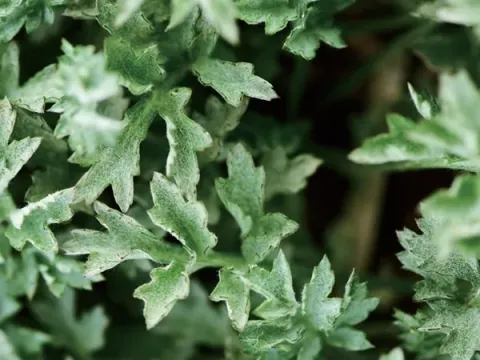
Artemisia lavandulaefolia
Artemisia lavandulaefolia
Artemisia lavandulaefolia, commonly known as lavender-leaf wormwood, is a perennial plant belonging to the Asteraceae family. It is primarily propagated through rhizome divisions, which ensures uniform plant development and high survival rates in commercial fields.
What the section contains
Artemisia lavandulaefolia
Planting is best performed in early spring once the soil temperature reaches at least 8–10°C. In regions with milder climates, autumn planting is also possible, provided the rhizomes have sufficient time to establish before the ground freezes.
The recommended planting density is 60–70 cm between rows, allowing for proper aeration and maintenance access. Given the plant's vigorous growth habit, initial weed control is essential until the crop develops a dense enough canopy to shade out competitors.
When starting from seeds, stratification is required to improve germination rates. Seedlings should be raised in a nursery setting and transplanted once they possess a well-developed root system and at least four true leaves.
Proper field preparation, including deep plowing and the removal of perennial weeds, is critical. The rhizomes are aggressive spreaders, so selecting a location that allows for manageable expansion is a key step in successful farm planning.
This species thrives in well-drained, sandy or light loamy soils. It is highly sensitive to waterlogging, which can cause root rot; therefore, selecting an elevated or well-sloped site is recommended to ensure effective drainage.
Full sun exposure is mandatory for optimal growth and secondary metabolite production. While the plant can tolerate shade, the concentration of essential oils significantly drops, reducing the commercial value of the harvested biomass.
The plant is highly adaptable to various climatic zones, displaying excellent drought tolerance once established. While it prefers moderate moisture, it can withstand harsh winter conditions without the need for protective cover.
Soil pH should ideally range between 6.0 and 7.5. Although it is not heavily demanding regarding nutrients, a balanced application of organic compost before planting helps foster strong, healthy root systems that can sustain the plant for several years.
Regular inter-row cultivation is necessary to maintain soil structure and aeration. This practice also helps manage moisture levels, preventing the soil from crusting over during the heat of the summer months.
Yields of dry biomass typically range from 1.5 to 2.5 tonnes per hectare, depending on soil fertility, age of the plantation, and irrigation management. Peak production is usually achieved by the third year of cultivation.
The plant is highly valued for its medicinal properties and essential oils. It contains active compounds such as flavonoids and terpenoids, which are widely utilized in traditional medicine and modern pharmaceutical applications.
Beyond its pharmacological use, Artemisia lavandulaefolia is becoming increasingly popular in the cosmetic and fragrance industries. The unique aromatic profile of its leaves makes it a desirable source of high-quality botanical extracts.
Harvest timing is crucial for maximizing yield; crops should be collected during the budding stage, just before full bloom. At this stage, the concentration of essential oils in the leaves and stems is at its absolute peak.
Post-harvest management involves careful drying and processing. To maintain product quality, the material must be dried quickly in a controlled environment to avoid degradation of volatile compounds and to prevent fungal growth.
Aphids and spider mites are the most common pests, particularly during hot and dry spells. These insects feed on the succulent tips of the stems, causing stunted growth and lower yields if not managed early.
Fungal diseases, including powdery mildew and rust, can occur if humidity levels are too high or if plant spacing is insufficient. Good ventilation is the best preventative measure against these infections.
Root rot is often a sign of poor drainage or over-irrigation. Ensuring the field is properly leveled and managing moisture levels carefully is the primary strategy for preventing these soil-borne pathogens from decimating the crop.
Leaf-eating beetles may occasionally target the foliage, causing aesthetic damage and reducing biomass. Regular monitoring and the application of integrated pest management practices are essential to keep populations below economic damage thresholds.
- Monitor for aphids and mites
- Ensure adequate spacing
- Practice crop rotation
- Remove infected plant material
- Maintain soil drainage
Mechanical harvesting is generally used for large plantations, with cutting performed at 10–15 cm above the soil surface. This height ensures that the rhizome remains intact, allowing the plant to regrow the following season.
For essential oil production, the biomass should be processed immediately after harvesting using steam distillation. This method prevents the evaporation of high-value volatile compounds that occur during drying.
For medicinal herb production, drying should occur in shaded, well-ventilated rooms or in specialized drying tunnels where the temperature is maintained below 40°C to preserve the aromatic qualities.
Storage must be in cool, dry, and dark conditions. Proper packaging, such as breathable sacks or sealed containers, is necessary to protect the herb from moisture absorption and the loss of its characteristic fragrance.
After the harvest, field maintenance should include clearing debris and applying necessary nutrients to ensure the plant recovers energy for the upcoming dormant period, setting the stage for strong regrowth in spring.