
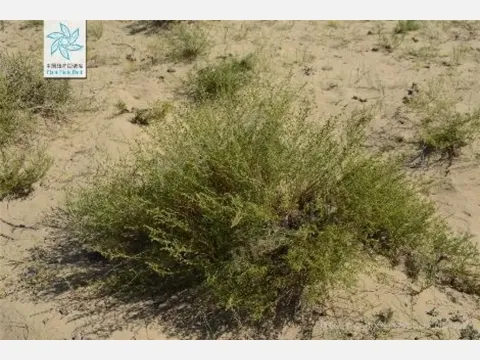
Artemisia ordosica
Artemisia ordosica
Artemisia ordosica is a perennial semi-shrub belonging to the Asteraceae family. It is widely recognized for its ability to propagate via seeds, which are highly efficient at colonizing barren and sandy landscapes.
What the section contains
Artemisia ordosica
Sowing is typically performed during early spring once the soil temperature is sufficient to trigger germination. Proper seedbed preparation is necessary, as the small seeds require shallow placement to ensure optimal light exposure.
In large-scale agricultural projects aimed at land restoration, seeds are broadcasted over degraded terrain. This method relies on the plant's natural ability to establish itself in harsh, nutrient-poor environments without intensive care.
The use of high-quality, stratified seeds significantly increases the field emergence rate. Following sowing, minimal intervention is required, as the plant possesses innate survival mechanisms tailored to arid conditions.
The establishment phase is critical, during which the plant develops a deep root system. Once roots are established, the plant becomes highly resilient to environmental stressors, ensuring long-term field stability.
This crop is a true xerophyte, perfectly adapted to extreme moisture deficits. It thrives in semi-arid and desert climates where conventional crops would fail due to the lack of precipitation.
The plant is highly versatile regarding soil types, preferring loose, sandy, or sandy-loam textures. It is uniquely capable of growing in alkaline and saline soils, making it valuable for phytoremediation.
Full sun exposure is a non-negotiable requirement for Artemisia ordosica. It utilizes intense sunlight to produce the specific chemical compounds, such as terpenes, for which the plant is highly valued.
Excellent soil drainage is mandatory to maintain plant health. Any form of waterlogging, especially in low-lying areas, can be fatal to the root system and encourages the development of fungal infections.
Tolerance to extreme temperature fluctuations is a hallmark of the species. It can withstand freezing winters and scorching summers, maintaining its structural integrity throughout the year.
Biomass production of Artemisia ordosica is primarily dictated by annual rainfall patterns. While it can survive on minimal moisture, increased precipitation leads to significantly higher vegetative yields.
Harvesting for commercial use is conducted during the peak flowering phase. At this time, the concentration of active medicinal and aromatic compounds in the foliage is at its highest.
Yield management requires balancing biomass extraction with the plant's natural regeneration capacity. Over-harvesting can lead to soil destabilization, which defeats the purpose of the crop's cultivation.
Seed production is another vital yield indicator for ecological projects. Successful harvesting of seeds allows for the expansion of greenbelts and the continued fight against desertification.
Though not a primary fodder crop, the dried biomass is increasingly used as an additive in livestock diets due to its natural antiseptic properties, which contribute to improved animal gut health.
Artemisia ordosica is naturally defended against most insect pests due to its bitter taste and high content of secondary metabolites. It is rarely targeted by major agricultural pests.
The primary biological threats involve root rot diseases, which occur almost exclusively in poorly drained or waterlogged soils. Prevention is far more effective than curative chemical treatments.
Powdery mildew can occasionally appear in overly dense plantations with poor air circulation. Thinning out the plants and ensuring adequate spacing are the recommended management strategies.
While aphids or weevils might be present, they rarely pose a significant economic threat to the crop. The plant's fast recovery rate allows it to outgrow minor pest-related damage quickly.
General phytosanitary practices, such as removing infected plant debris and avoiding excessive irrigation, are usually sufficient to maintain healthy and productive stands.
Mechanized harvesting is the standard practice for biomass collection. It is performed in a way that respects the plant's structure, ensuring the lower woody parts remain intact to promote future growth.
After harvesting, the biomass must be dried immediately in a well-ventilated, shaded environment to preserve the essential oils. Exposure to direct sunlight during drying degrades the quality of the raw material.
Storage conditions for dried material must be cool and dry. High humidity levels pose a major risk of mold, which can destroy the quality and market value of the harvested crop.
Seed harvesting is conducted when the flower heads turn brown, indicating full maturity. The seeds are then cleaned using air-winnowing techniques to remove debris and achieve high purity levels.
Post-harvest management involves careful monitoring of the soil. Leaving the root systems undisturbed helps prevent wind erosion, keeping the land protected until the next growth cycle begins.