
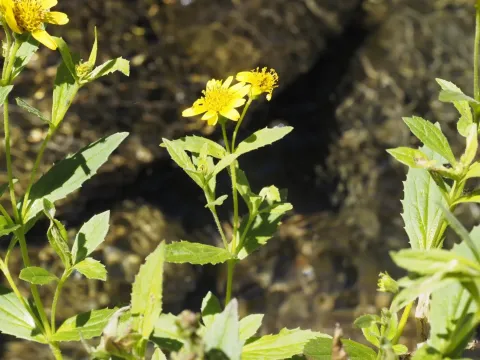
Arnica lanceolata
Arnica lanceolata
Arnica lanceolata, a distinct species within the Asteraceae family, requires specific protocols for successful establishment. Propagation is primarily achieved through seedlings to ensure high uniformity of the crop.
What the section contains
Arnica lanceolata
Seeds should be sown in late winter. A critical step is the stratification process; seeds need a period of cold exposure to break dormancy and trigger uniform germination across the seed tray.
Transplanting into the field is scheduled for late spring, once the threat of soil frost has completely passed. This ensures that the seedlings, which are sensitive to low temperatures in their early stages, can establish themselves effectively.
When direct seeding is attempted, it is vital to keep the sowing depth minimal, approximately 0.5 cm, as deeper placement can result in poor emergence rates due to the small size of the seeds.
Planting density is generally maintained at 30-40 cm between rows, allowing for sufficient root development and minimizing the spread of moisture-related pathogens among the individual plants.
This plant thrives in full sun exposure. Adequate light is essential for the synthesis of secondary metabolites within the flowers, which determine the medicinal value of the final harvest.
Well-drained, fertile soil is a non-negotiable requirement. Sandy loam or loose soil structures prevent water stagnation, which is the primary cause of root system failure in this species.
Soil pH should ideally be near neutral. While the plant can tolerate slight acidity, high levels of alkalinity or excessive nutrient imbalances will negatively impact its overall growth and vigor.
Regular irrigation is needed during the peak growing season, specifically when the plant is transitioning from the leaf rosette stage to the reproductive flowering stage.
Strategic soil management includes the elimination of competing weeds that can rob the crop of essential nutrients and moisture during the crucial early stages of development.
Productivity expectations for Arnica lanceolata are modest in the first year, as the plant prioritizes biomass accumulation and root establishment over flowering.
The second and third years represent the peak yield periods for the plantation. Proper management during these years can result in significant harvests of high-quality dried flower heads.
The species produces flowers throughout the season, allowing for staggered harvesting cycles. This approach helps in managing labor and resources efficiently during the busy summer months.
The total yield per hectare is significantly influenced by the level of care, particularly weed control and the prevention of pest outbreaks that can stress the plants.
Crop rotation is recommended after 4-5 years of harvesting, as the plant’s productivity naturally declines due to soil fatigue and potential accumulation of species-specific pathogens.
Fungal diseases, especially root rots caused by Phytophthora or Pythium species, are the most frequent threats encountered in poorly drained cultivation areas.
Pests like aphids and spider mites frequently target the tender foliage, particularly under conditions of low humidity or drought stress, necessitating early monitoring and preventive action.
Weed pressure remains a major constraint on total crop health. Invasive species can quickly outcompete the young arnica plants if manual or mechanical weeding is not performed consistently.
Powdery mildew may manifest during seasons with fluctuating temperatures and poor field ventilation, requiring the implementation of improved spacing and thinning techniques.
- Root damage due to wireworm activity in new field sites.
- Increased risk of leaf spots under heavy rainfall conditions.
- Potential nutrient deficiency stress leading to stunted floral development.
The timing of harvest is critical; floral heads must be picked when fully open. Early or late harvesting results in significant loss of volatile compounds and chemical potency.
Manual harvesting is the most common technique to ensure that only the flower heads are collected, avoiding the inclusion of stems and leaves which degrade product quality.
Immediate post-harvest processing is required. Flowers are spread thin in shaded, well-ventilated drying facilities to preserve their natural color and medicinal efficacy.
Temperature control during the drying process is essential; exceeding 45 degrees Celsius can lead to the loss of aromatic components and reduced market value for the dried herb.
Final storage involves placing the dried product in moisture-resistant containers within a dark, cool environment to maintain quality for long-term supply chain distribution.