
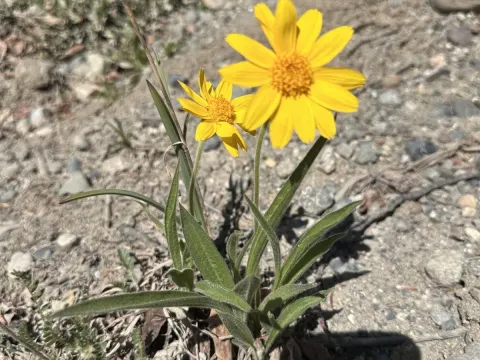
Arnica angustifolia
Arnica angustifolia
Sowing Arnica angustifolia typically requires a cold stratification period to break seed dormancy. In an agricultural setting, seeds are sown in late autumn or early spring to ensure natural exposure to low temperatures, which is essential for uniform germination.
What the section contains
Arnica angustifolia
Seeds should be sown shallowly, at a depth of no more than 0.5 centimeters, as they are sensitive to depth and require light to trigger the germination process. A well-prepared seedbed with a fine tilth is necessary for success.
For commercial production, a row spacing of 40 to 50 centimeters is recommended. This spacing allows for mechanical or manual weeding, which is crucial during the first year when seedlings develop slowly and are easily outcompeted by weeds.
Uniformity in sowing density is key to maintaining a consistent crop. A population density of approximately 10 to 15 plants per linear meter is considered optimal to ensure robust plant health and proper development of the basal rosette.
Careful attention must be paid to weed control immediately after emergence. Hand weeding is often preferred in the initial stages to prevent damaging the fragile seedlings while clearing competing vegetation from the inter-row areas.
Arnica angustifolia belongs to the Asteraceae family and is highly adapted to cool, mountainous, or arctic climates. It thrives in open, sunny environments where direct sunlight promotes the development of active compounds in the plant tissues.
The crop demands acidic to slightly acidic soil conditions with a pH range of 5.0 to 6.0. Furthermore, excellent soil drainage is non-negotiable, as waterlogged conditions quickly lead to root rot and other phytopathological issues.
Soil texture should be rich in organic matter but loose enough to prevent compaction. In regions where soil acidity is insufficient, peat or acidic compost amendments are used to create the specific environment required by this species.
This species is exceptionally cold-hardy, capable of surviving harsh winters in sub-arctic regions without artificial protection. However, it is sensitive to heat stress, making temperate or northern latitudes ideal for its cultivation.
Moderate but consistent soil moisture is vital during the growing season. While the plant can tolerate short dry spells once established, supplemental irrigation during the flowering initiation phase is recommended for higher yields.
Fungal diseases represent the most significant threat to Arnica angustifolia, particularly in damp or humid climates. Grey mould and powdery mildew are common issues that spread rapidly in poorly ventilated crop stands.
Root system health is frequently compromised by soil-borne pathogens such as Phytophthora or Pythium, which thrive in heavy, poorly aerated soils. Proper site selection and site drainage are the primary preventative measures.
Pests such as aphids and leaf-eating caterpillars can damage the plant's foliage. Monitoring programs are essential to detect infestations early, as the medicinal nature of the product limits the use of chemical pesticides.
Biological control agents are strongly recommended to manage pests. Integrated Pest Management (IPM) practices, including the removal of infected plant debris, help reduce the incidence of disease outbreaks within the plantation.
Stressing the plant through poor management makes it more susceptible to infestation. Providing optimal conditions, such as sufficient light and correct airflow, acts as the best defense against major threats.
Harvesting for medicinal purposes occurs during the peak flowering stage when the concentration of essential active compounds is at its highest. Typically, this is mid-summer, determined by the visual maturity of the flower heads.
The flower heads are harvested manually or with specialized combs, including a short length of the stalk. It is vital to process the harvest immediately to prevent degradation caused by high respiration rates and subsequent overheating.
Drying must be conducted in the shade or in regulated drying cabinets at temperatures not exceeding 45 degrees Celsius. Exceeding this temperature threshold significantly reduces the efficacy and quality of the medicinal extract.
Once dried, the flowers should be stored in opaque, moisture-proof containers to preserve their volatile oils and therapeutic properties. Sunlight and heat are the primary enemies of shelf-stable quality.
Well-managed fields can achieve significant yields of high-quality, dried flower heads. This product is highly valued in the pharmaceutical and homeopathic markets, making it a viable specialty crop for dedicated herb farmers.