
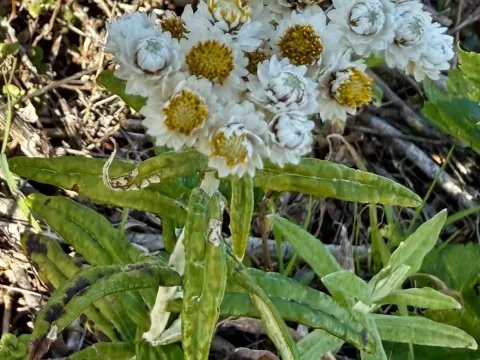
Anaphalis
Anaphalis
Anaphalis seeds can be sown directly into the soil in late autumn or early spring once the ground has warmed up. Because the seeds are extremely tiny, they should be surface-sown and only lightly covered with sand or fine soil.
What the section contains
Anaphalis
For more reliable results, starting seeds indoors is recommended. Sowing should begin in late March, using a light, well-draining seed starting mix to ensure the seedlings get a strong start.
Germination is often slow and can take several weeks. During this period, it is crucial to keep the surface of the soil consistently moist while ensuring it does not become waterlogged, which could hinder development.
Pricking out the seedlings should be done carefully when the first pair of true leaves appears. Young plants are fragile and need gentle handling and adequate spacing to prevent them from becoming overcrowded.
Transplanting into the permanent garden spot is best done in late May or early June. By this time, the root system is typically established enough to withstand the move to its new location.
Anaphalis belongs to the Asteraceae family and is a resilient perennial plant. It naturally occurs in temperate zones, typically thriving in open, sunny locations with well-drained soil conditions.
The plant is highly adaptable to poor, sandy, or rocky soils, making it an excellent choice for sites where nutrient-rich soil is not available or where more demanding plants struggle.
Drought tolerance is a signature trait of Anaphalis. Once established, it requires very little additional water, and in fact, prefers slightly drier conditions over consistently wet environments.
Full sun is essential for optimal growth. Without sufficient sunlight, the stems tend to become leggy and less sturdy, and the characteristic silvery foliage loses some of its vibrant visual appeal.
This plant is notably hardy and can withstand cold winters without special protection. Its ability to survive harsh conditions makes it a reliable asset for permanent landscape plantings.
The primary economic use of Anaphalis is as a prized everlasting flower. The harvest should take place when the flowers are fully open but before they begin to fade or drop their petals.
Harvesting is best done in the morning after the dew has evaporated. The stems should be bundled together, ensuring that they are hung in a dark, dry, and well-ventilated area to dry properly.
By drying the flowers upside down away from direct sunlight, the plant preserves its beautiful silvery leaves and white, papery flower heads for long-term decorative use.
Dried Anaphalis is highly valued in floristry because it maintains its shape and texture for years. It is a staple component in creating durable, long-lasting floral arrangements and winter bouquets.
Beyond its use as a dried flower, the plant is popular in xeriscaping and alpine garden designs, where its color contrast and drought resistance provide aesthetic and practical value.
Anaphalis is generally considered a low-maintenance plant with few major health concerns. The most significant threat arises from improper soil drainage, which often leads to root rot.
Excessive soil moisture is the primary enemy of this species. Waterlogging creates conditions that encourage fungal pathogens, which can weaken the plant and lead to stunted growth or decline.
Pests are rarely an issue, though aphids may occasionally appear in very dense or poorly ventilated plantings. Monitoring and manual removal are usually sufficient to manage these minor infestations.
Prevention involves ensuring adequate spacing between plants to allow for airflow, which reduces the humidity levels that favor fungal growth. Proper site selection is the best defensive measure.
Maintaining a clean garden environment by removing debris in the autumn helps reduce the risk of disease carryover. This ensures the plant remains healthy and vigorous for the following growing season.