
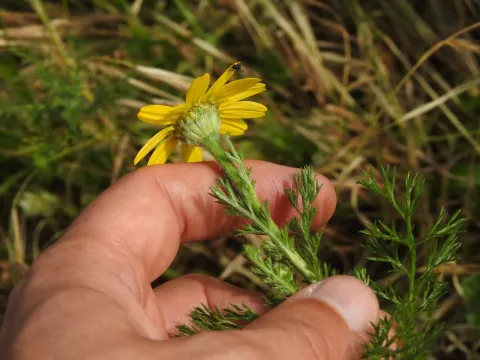
Anacyclus radiatus
Anacyclus radiatus
Anacyclus radiatus is an annual herbaceous plant belonging to the Asteraceae family. In agricultural practices, the seeds are typically sown directly into open fields during the spring, once the soil has warmed sufficiently.
What the section contains
Anacyclus radiatus
For optimal germination, a sowing pattern with row spacing of 30-40 centimeters is recommended, ensuring that each plant has enough space to develop fully without overcrowding.
The planting depth should be shallow, around 1–2 centimeters, as the seeds require sufficient light to trigger the germination process while maintaining constant contact with moist soil particles.
The plant exhibits a rapid growth cycle, which allows for blooming by mid-summer, making it a viable option for seasonal agricultural programs that value short-rotation crops.
Thinning the seedlings is an essential practice once the first true leaves appear, ensuring a distance of 15–20 centimeters between individual plants to promote air circulation and reduce disease risk.
Anacyclus radiatus thrives in light, well-drained soils, preferably sandy or loamy textures, with a neutral pH, which prevents water accumulation around the root system.
A primary agronomic requirement is to avoid waterlogged conditions, as the root system is sensitive to excessive moisture, which can trigger fungal development and lead to poor crop stand.
The crop is highly drought-tolerant, reflecting its origin in the Mediterranean and North African regions, which makes it suitable for areas with limited water resources or irregular rainfall.
Full sun exposure is critical for this species; it requires ample light to develop robust stems and achieve the characteristic, vibrant appearance of its floral heads during the flowering stage.
Fertilization should be balanced, focusing on phosphorus and potassium to support flower development and overall plant resilience without stimulating excessive vegetative growth at the expense of quality.
The main threats to this crop include root rot pathogens, which often develop due to poor soil drainage or high humidity, necessitating strict control over soil moisture levels.
Pests like aphids may target the young shoots and flower buds during active growth, requiring timely monitoring and the use of eco-friendly biological control methods to protect the harvest.
Powdery mildew is a common concern in dense plantings with poor ventilation, making proper plant spacing and consistent monitoring essential components of an effective plant protection strategy.
Implementing integrated pest management (IPM) is recommended to maintain the quality of the raw material while minimizing the environmental footprint of cultivation activities.
Regular field scouting allows for the early detection of stress or disease, enabling targeted interventions that prevent the spread of infections throughout the cultivation area.
Harvesting the flower heads and aerial biomass is conducted during the peak flowering phase, ensuring that the concentration of secondary metabolites is at its maximum level.
The best time for harvesting is during the early morning hours, after the morning dew has evaporated, to preserve the essential oils and overall quality of the collected material.
Post-harvest processing involves drying the plant material in well-ventilated, shaded areas to protect it from direct sunlight, which can cause the degradation of light-sensitive compounds.
The economic use of the plant spans from ornamental landscaping and gardening to potential applications in nutraceuticals, depending on the specific pharmacological profile of the variety.
Properly dried material should be stored in breathable containers in a cool, dark environment to ensure the longevity of the plant's active properties and commercial value.