
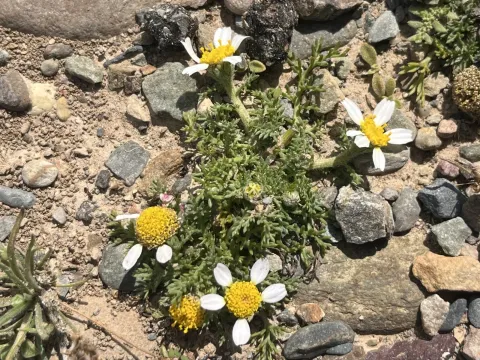
Anacyclus maroccanus
Anacyclus maroccanus
Sowing of Anacyclus maroccanus should be carried out in the spring as soon as the soil warms up sufficiently. The optimal period occurs in late April or early May, once the threat of late frosts has passed.
What the section contains
Anacyclus maroccanus
The seeds are sown in rows with spacing of about 30–40 centimeters. The sowing depth should be no more than 1–2 centimeters, as the seeds are small and require light for proper germination.
The soil must be thoroughly prepared before sowing: it should be loose, free from weeds, and moderately moist. Seedlings usually appear within 14–20 days, provided the topsoil remains consistently moist.
In regions with mild climates, late autumn sowing is possible, which allows for earlier flowering in the following season. It is crucial to ensure that seeds do not germinate before the onset of persistent winter frosts.
If seedlings are needed, seeds are sown in trays in March, providing supplemental lighting. Hardened seedlings are transplanted into the open field once constant positive air temperatures are established.
Anacyclus maroccanus belongs to the Asteraceae family and is a light-loving plant. For successful development, it requires open, well-lit areas with full exposure to direct sunlight throughout the day.
The crop prefers light, sandy or sandy-loam soils with excellent drainage. The plant is extremely sensitive to waterlogging, so areas with high groundwater levels are not suitable for cultivation.
Optimal soil pH should be neutral or slightly alkaline. On overly acidic or heavy clay soils, Anacyclus develops poorly and is frequently affected by root rot.
The plant is highly drought-tolerant, making it a promising crop for hot and arid climates. However, during the active vegetative growth stage, moderate irrigation positively affects biomass.
Mineral fertilization should be measured. Excess nitrogen leads to excessive green mass growth at the expense of flower quality, so phosphorus-potassium fertilizers in minimal concentrations are preferred.
The yield of Anacyclus maroccanus depends on the purpose of cultivation: whether for seeds or for vegetative organs used in pharmacology and cosmetics. The biological productivity of the culture is moderate.
In commercial cultivation for raw material, the dry mass of the above-ground part per hectare can range from 1.5 to 3 tons. This figure is highly dependent on planting density and adherence to agronomic practices.
Flowering is extended over time, allowing for selective harvesting of flowers over several weeks. This ensures maximum concentration of biologically active substances in the harvested material.
Seed productivity varies depending on weather conditions during ripening. Quality seed material requires dry and warm weather at the end of the season.
Factors limiting yield include competition from weeds and crop overcrowding. Timely weeding and thinning can significantly increase the output of marketable products.
The greatest danger to the crop is fungal diseases that develop when moisture levels are not managed. Root rot and powdery mildew are the main pathogens capable of destroying entire crops.
Pests frequently encountered include aphids and spider mites, which suck sap from young shoots. Using biological pest control methods is recommended to maintain population balance.
Root damage caused by soil insect larvae can lead to stunted growth. Preventive measures include crop rotation and maintaining optimal spatial isolation between plantings.
Overcrowded crops create a favorable environment for the spread of bacterial infections. Proper ventilation and ensuring conditions for quick leaf drying after rain significantly reduce risks.
If necessary, systemic fungicides can be used to combat diseases. It is crucial to observe pre-harvest intervals if the plant is intended for medicinal use.
Harvesting of medicinal raw material is performed during the peak flowering phase, when the concentration of active substances in the plant reaches its maximum. Flowers are cut along with a small portion of the stem.
Harvesting should be done in dry, sunny weather, preferably in the morning hours after the dew has evaporated. This prevents spoilage and facilitates rapid drying without loss of essential oils.
After harvest, the material must be immediately sent for drying in shaded, well-ventilated areas. Using forced-air dryers at temperatures not exceeding 40 degrees Celsius helps preserve quality.
For seed collection, plants are left in the field until the seeds darken completely. After cutting the inflorescences, they are dried, threshed, and carefully cleaned of plant debris.
The finished raw material is stored in dry rooms with low humidity. Kept in paper or cloth bags, the product can retain its beneficial properties for 12–24 months under proper conditions.