
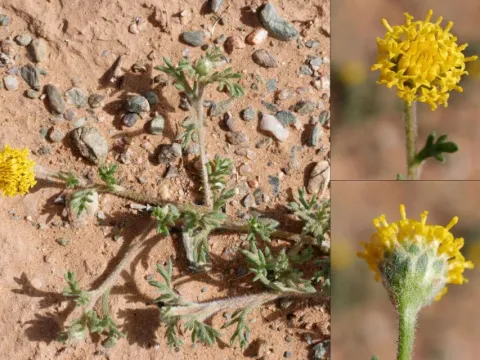
Anacyclus cyrtolepidioides
Anacyclus cyrtolepidioides
Anacyclus cyrtolepidioides is a herbaceous species belonging to the Asteraceae family. Planting typically occurs in early spring, once the soil has reached an optimal temperature range to ensure uniform and rapid germination of the seeds.
What the section contains
Anacyclus cyrtolepidioides
The seeds should be sown at a shallow depth, ideally between 1 and 2 centimeters, to facilitate emergence. Proper soil preparation, involving the creation of a fine tilth, is essential for successful establishment.
In field production, row planting is the preferred method to facilitate mechanized weeding and maintenance operations. Maintaining consistent row spacing helps in optimizing resource utilization per unit area.
Seed quality remains a primary factor influencing plant vigor. Using certified seeds with high germination percentages is recommended to achieve the desired plant density in the field.
Proper field management during the early stages of growth is crucial. Ensuring adequate soil moisture during the first few weeks after sowing promotes healthy root development, which supports the plant throughout its lifecycle.
This crop thrives in well-lit, sunny environments. Adequate sunlight is necessary for the plant to develop robust stems and achieve high concentrations of bioactive compounds within its tissues.
The ideal soil type for this species is a well-drained loam or sandy loam. It does not tolerate waterlogging, so fields with poor drainage or a high water table should be avoided to prevent root diseases.
While the plant exhibits moderate drought tolerance, it requires consistent moisture during the peak growth and budding phases to maximize yields. Strategic irrigation can be employed in regions with low rainfall.
Fertilization regimes should focus on providing essential nutrients without inducing excessive vegetative growth. A balanced application of phosphorus and potassium helps in building stress resistance.
Weed control is vital during the early establishment phase. Regular inter-row cultivation helps in suppressing weed competition and enhancing soil aeration, which is beneficial for nutrient uptake.
Aphids are the most common pests affecting this culture, especially during hot and dry periods. They typically cluster on the upper portions of the plants, requiring monitoring and timely intervention.
Fungal pathogens such as powdery mildew may affect the crop if humidity levels remain high for extended periods. Promoting good airflow through appropriate spacing is a key preventative measure.
Soil-borne pests like wireworms can pose a threat, particularly if the land was previously used for cereal crops. Implementing proper crop rotation strategies is essential to minimize the pressure from these organisms.
Planting healthy, disease-free seeds is the first line of defense. Regular scouting of the field allows for the early detection of localized infestations, enabling targeted responses rather than broad-spectrum treatments.
Ensuring that the harvest residue is cleared from the field after the season helps reduce the overwintering potential of various pests and pathogens, contributing to a cleaner environment for future planting.