
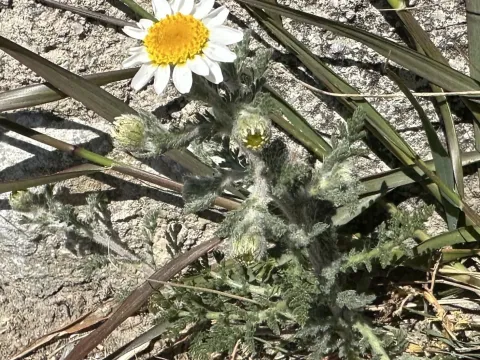
Anacyclus clavatus
Anacyclus clavatus
Anacyclus clavatus is an annual herbaceous plant that belongs to the Asteraceae family. It is widely recognized for its beautiful daisy-like flowers and medicinal properties.
What the section contains
Anacyclus clavatus
Sowing should take place in early spring once the risk of frost has passed. The seeds are small and require a warm, stable environment to germinate efficiently in open ground.
For growers using professional cultivation methods, starting seeds in trays under glass in late winter is highly recommended. This ensures robust plant development before transplanting.
Seeds should be sown shallowly, as light exposure can be beneficial for the germination process of some Mediterranean species. Keep the soil surface consistently moist but not waterlogged.
A sowing density of 20 to 25 plants per square meter is considered optimal for commercial cultivation. This distance prevents crowding and allows for sufficient airflow between individual plants.
This species thrives in full sun and requires at least six to eight hours of direct exposure daily. Insufficient light levels lead to elongated, weak stems and poor flowering results.
Well-drained soil is non-negotiable for the health of Anacyclus clavatus. Sandy or rocky loam soils are ideal, as they mimic the plant's native Mediterranean environment.
Temperature management is generally straightforward as the plant is adapted to warm climates. However, protection from extreme frost is necessary if the plants are still in their early vegetative stage.
Minimal fertilization is required for this plant. Over-fertilizing, especially with nitrogen, encourages excessive foliage growth and reduces the quality and quantity of flower production.
Irrigation should be provided during prolonged dry spells, but one must avoid saturating the root zone. Drought stress is usually better tolerated by this species than waterlogged conditions.
The most significant threat to this crop is root rot caused by poor soil drainage. When the soil remains damp for too long, the root system loses its ability to absorb nutrients.
Powdery mildew is a common fungal issue that arises during humid and stagnant air conditions. Improving plant spacing is the most effective way to prevent the spread of fungal spores.
Aphids are the primary pests that affect young shoots. While usually not lethal, a large infestation can stress the plant and stunt its overall growth during the peak season.
Integrated Pest Management (IPM) is the best approach for controlling these issues. Natural predators or organic insecticidal soaps can be used to manage infestations without chemical residue.
Proactive monitoring of the leaf underside is essential for early detection of pests. Keeping the surrounding area free of weeds also reduces the presence of alternative hosts for various insects.
Harvesting is performed during the peak blooming stage when the flowers are fully expanded. This is the period when the plant contains the highest concentration of active ingredients.
Cut the stems using sanitized pruning shears to avoid damaging the plant structure. It is vital to perform the harvest on a dry, sunny day to prevent moisture buildup in the collected material.
Drying should take place in a shaded, well-ventilated area to maintain the integrity of the essential oils. Avoid using high-heat artificial drying methods to prevent the loss of volatile compounds.
Once dried, the flowers should be separated from the stems and stored in breathable containers. Keeping the dried product in a cool, dark environment ensures a longer shelf life.
Quality control during the harvest process is crucial. Only discard flowers that show signs of damage or discoloration to ensure the highest quality of the final herbal harvest.