
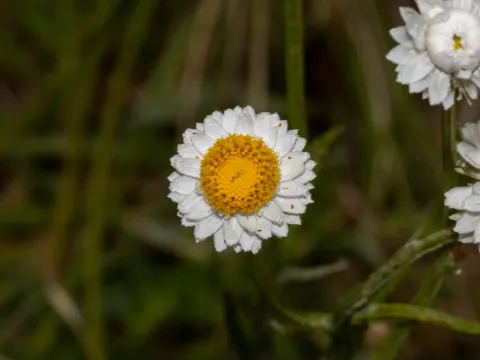
Ammobium
Ammobium
Ammobium seeds should be sown indoors in late March or early April. Use a well-draining, lightweight potting mix and surface sow the seeds, covering them very lightly with fine soil or sand to maintain optimal humidity levels.
What the section contains

Ammobium
Keep the sowing tray covered with plastic or glass to create a stable microclimate until germination occurs. Once the seedlings appear, remove the cover to ensure proper light exposure and air circulation.
Transplanting into the garden should be done only after the threat of frost has passed, typically late May or early June. Acclimatize the seedlings gradually to the outdoors to prevent transplant shock.
If sowing directly into the ground, choose a location with well-warmed soil. Keep the seedbed consistently moist throughout the germination phase, as drought can easily kill developing seedlings.
Maintain a planting distance of 25–30 centimeters between plants. This spacing is crucial for preventing humidity buildup, which is a major concern for the health of this species.
Ammobium requires full sunlight to thrive. It should be planted in a location that receives at least six to eight hours of direct light daily to ensure strong stems and prolific flowering.
The plant prefers sandy or well-drained loamy soils. It does not tolerate waterlogged conditions, which can lead to rapid root decay; therefore, soil drainage is a priority for successful cultivation.
While the plant is quite drought-tolerant once established, moderate watering during the budding stage helps produce larger, more high-quality blooms. Avoid overhead irrigation to keep the foliage and buds dry.
As a member of the Asteraceae family, Ammobium is prized for its papery, silver-white bracts that surround the center. It functions as an annual in temperate climates and is highly regarded for its longevity as a dried flower.
Fertilization should be kept minimal. Excess nutrients, especially nitrogen, will promote lush green foliage but significantly reduce the number of flowers produced by the plant.
The yield of Ammobium is focused on the quantity and quality of its flower heads. With proper care, each plant can produce dozens of flowers throughout the growing season.
Continuously removing spent or damaged flowers is the most effective way to stimulate the plant to produce new buds. This deadheading process significantly extends the productive life of the plant.
Optimal harvesting for dried floral arrangements occurs when the flowers are about halfway open. Harvesting at this stage ensures that the papery bracts stay firm and do not shed once fully dry.
Yield is heavily dependent on soil aeration and weed control. Keeping the surrounding soil loose and free of competition allows the roots to uptake nutrients efficiently, resulting in better floral output.
Commercially, Ammobium is cultivated in rows to facilitate mechanical or manual harvesting. High-density planting is possible provided the ventilation remains sufficient for all plants.
Fungal diseases are the primary threat to Ammobium, particularly in environments with high humidity or poor soil drainage. Root rot and damping-off can be devastating if the soil remains wet for extended periods.
Powdery mildew may occur on the leaves if airflow is restricted. To manage this, ensure adequate spacing between plants and avoid planting in low-lying, damp areas of the garden.
Aphids and spider mites are common pests that may attack the succulent-like buds. Regular inspections allow for early intervention using organic insecticidal soaps before an infestation spreads.
Crop rotation is essential for disease prevention. Avoid planting Ammobium in soil where other Asteraceae members were grown within the last three years to prevent the buildup of soil-borne pathogens.
Sanitation is key; removing and destroying any infected plant debris at the end of the season reduces the risk of future disease cycles in the garden.
Harvesting should be performed during dry, sunny weather, preferably in the afternoon once the morning dew has completely evaporated from the stems and flowers.
Bundle the harvested stems loosely using twine or elastic bands. Loose bundling is necessary to allow for adequate air movement, which prevents the stems from becoming moldy during the drying process.
Dry the bundles by hanging them upside down in a dark, well-ventilated area. Direct sunlight must be avoided during the drying process to prevent the papery bracts from yellowing or losing their silver-white color.
The drying period typically lasts from one to two weeks, depending on the ambient humidity levels. The flowers are ready for storage when they feel stiff and hold their shape firmly when handled.
Once dried, store the Ammobium in a cool, dry place inside containers that protect them from dust and moisture until they are required for final arrangements.