
Ainsliaea dissecta
Ainsliaea dissecta
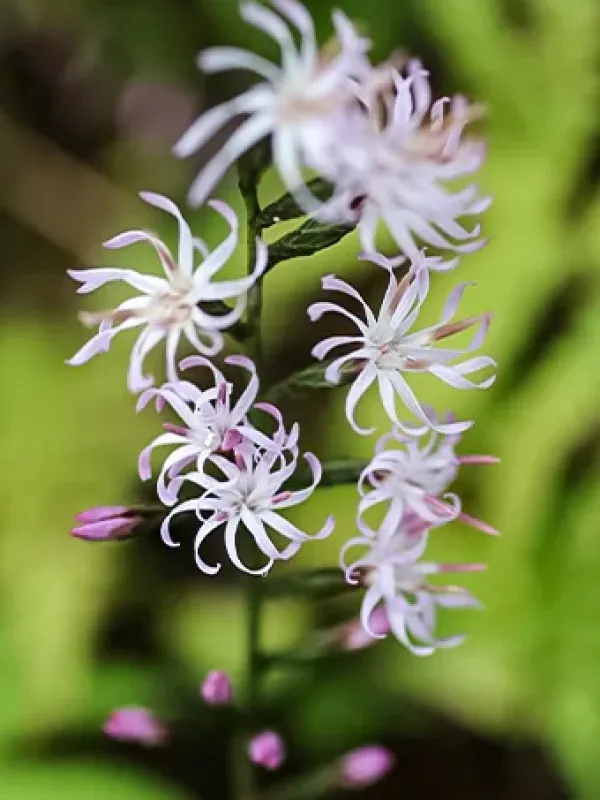
Description
Growing requirements
Ainsliaea dissecta is a perennial herbaceous plant belonging to the Asteraceae family. Native to East Asia, it typically inhabits temperate forest zones, thriving in the understory where light penetration is filtered and humidity remains stable.
The cultivation of this plant requires specific environmental conditions that mimic its natural habitat. It performs best in partial to full shade, avoiding direct exposure to intense midday sunlight, which can cause leaf scorch and dehydration.
Regarding soil requirements, Ainsliaea dissecta demands a well-draining, humus-rich substrate with a slightly acidic pH. Incorporating organic matter such as leaf mold into the soil profile significantly improves nutrient availability and moisture retention.
Climate tolerance is a critical factor for successful growth. The plant prefers cool to moderate temperatures and requires protection from extreme frost during winter months. Maintaining consistent soil moisture is vital during the active growing season.
In terms of agricultural and medicinal value, the plant is primarily harvested for its therapeutic compounds. These bio-actives are utilized in herbal formulations to support health, particularly in traditional wellness practices that focus on anti-inflammatory relief.
Main diseases and pests
Root rot is the most significant threat to the health of Ainsliaea dissecta. It is often triggered by excessive watering or poor soil structure, which prevents proper oxygen circulation around the root system.
Common garden pests such as slugs and snails frequently target the succulent foliage. Their activity is most prevalent in moist conditions, requiring manual monitoring or the use of safe, localized physical barriers to protect the plants.
Fungal infections, including leaf spot diseases, can occur during periods of high humidity and poor air circulation. Proper spacing between individual plants is essential to ensure adequate airflow and prevent the development of these pathogens.
Spider mites represent another challenge, especially in greenhouses or drier environments. These minute pests sap energy from the leaves, resulting in yellowing and stunted growth if not managed promptly with appropriate treatments.
Integrated pest management strategies should prioritize preventative measures, such as maintaining soil health and removing debris. Regular inspections of the foliage allow for the early detection and control of potential infestations.