
Ainsliaea apiculata
Ainsliaea apiculata
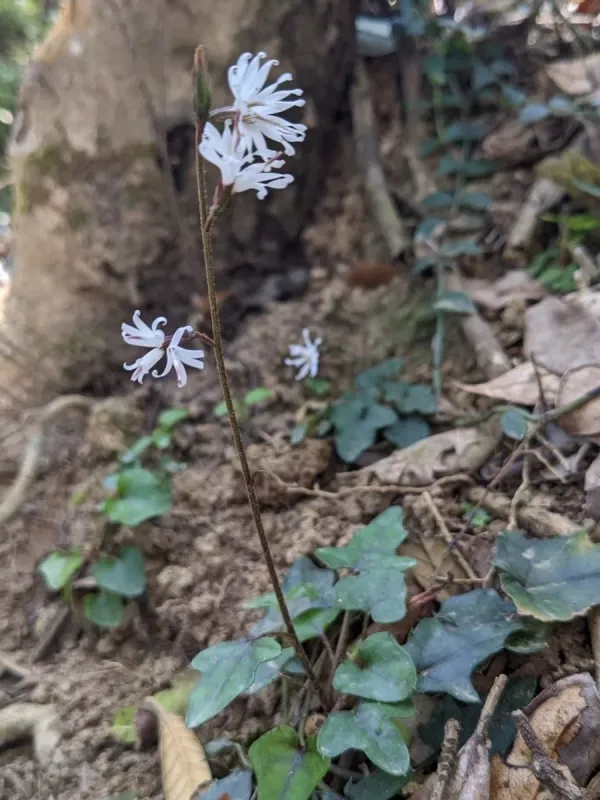
Description
Sowing dates
Ainsliaea apiculata is typically propagated through seeds sown in early spring in a well-draining greenhouse substrate. Seed stratification can improve germination rates significantly.
The seeds should be covered with a very thin layer of substrate and placed in an area with a stable temperature between 18 and 22 degrees Celsius.
Seedlings need consistent monitoring for moisture levels to avoid damping-off. Once the first true leaves appear, they should be transplanted into individual containers.
Hardening off the plants before transplanting them into their permanent location is essential for survival in the outdoor environment during late spring.
Division of the rootstock is another efficient propagation method, preferably done during the plant's dormant period in late autumn or early spring.
Growing requirements
As a member of the Asteraceae family, Ainsliaea apiculata prefers shaded or semi-shaded environments, mimicking its natural forest floor habitat.
The soil should be nutrient-rich, loamy, and well-aerated with a slightly acidic pH. Incorporating organic matter, such as compost, provides the best foundation for growth.
Regular watering is necessary to keep the soil consistently moist but never waterlogged. Overwatering can lead to root rot, especially in heavier soil types.
In terms of temperature, the plant is adaptable but appreciates moderate weather. Protection from extreme heat and frost is recommended in certain climates.
Mulching the base of the plant helps maintain soil temperature and moisture levels, while also preventing weed competition near the sensitive root system.
Harvesting
Harvesting for botanical or medicinal use should occur during the full flowering stage. This is when the concentration of essential phytochemicals is at its peak.
The aerial parts are harvested using clean, sharp tools, ensuring that the crown and root structure remain intact to allow for perennial regeneration.
Post-harvest, the materials are cleaned to remove debris. Quick processing is required to prevent oxidation or quality loss before the drying phase begins.
Drying must be conducted in a dark, cool, and well-ventilated area to protect the integrity of the plant's aromatic and chemical components.
Once dried, the product is stored in airtight, moisture-proof containers to ensure it maintains its therapeutic or ornamental value over the long term.