
Adenostyles alliariae
Adenostyles alliariae
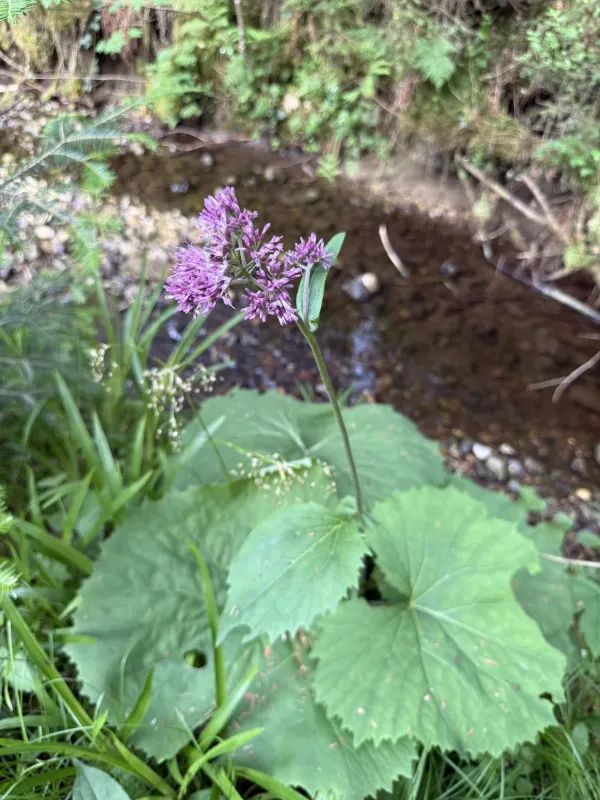
Description
Sowing dates
Propagation of Adenostyles alliariae is primarily achieved through seeds, which require a period of cold stratification to break dormancy effectively.
In gardening practices, sowing is best performed in late autumn to expose the seeds to natural winter temperatures for optimal germination the following spring.
The seeds should be sown on the surface or covered with a very thin layer of substrate, as they require light to trigger the germination process properly.
Once seedlings emerge, they should be kept in a cool and shaded environment to mimic their native alpine habitat conditions as closely as possible.
Transplanting the seedlings to their permanent location should be done carefully to avoid disturbing the sensitive root system that is typical for this genus.
Growing requirements
Adenostyles alliariae is a member of the Asteraceae family, naturally occurring in moist alpine and subalpine regions across Central and Southern Europe.
The plant thrives in cool, moist, and shady conditions, preferring sites that provide protection from the intense heat of midday sun exposure.
Soil requirements include high organic matter content, consistent moisture levels, and good drainage to prevent the roots from becoming waterlogged.
It is often found in the wild along mountain streams or in rocky scree slopes where the air humidity remains relatively high throughout the growing season.
When grown in gardens, it serves as an excellent plant for woodland areas or specialized alpine beds where soil temperature can be kept low.
Main diseases and pests
The plant is susceptible to various fungal pathogens, especially if planted in areas with poor air circulation or excessive soil moisture levels.
Root rot is the most common problem in gardens, often triggered by a lack of drainage and accumulation of standing water during rainy periods.
Slugs and snails are primary pests that can significantly damage the large foliage, leading to a loss of the plant's aesthetic value during the summer months.
During prolonged heatwaves, the plant may lose vigor, making it more vulnerable to opportunistic pests and secondary infections that affect foliage.
Management strategies involve maintaining a clean growing area and ensuring that mulching is used to keep roots cool without inducing rot.