
Adenostyles alpina
Adenostyles alpina
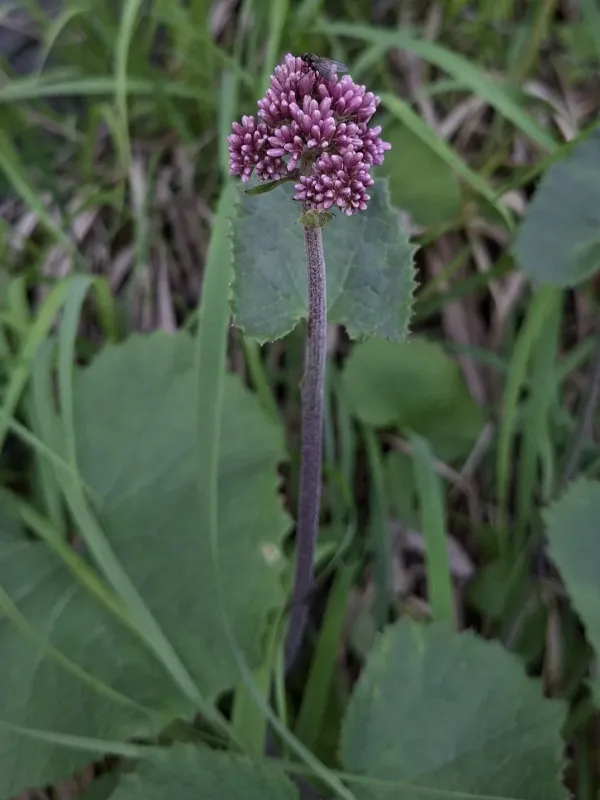
Description
Sowing dates
The propagation of Adenostyles alpina in cultivation is primarily achieved through seed sowing or the vegetative division of mature rhizomes, ensuring the genetic consistency of the plant.
Seeds require a period of cold stratification to break dormancy, mimicking the natural alpine cycle that prepares the embryo for germination during the warmer spring temperatures.
When dividing established clumps, it is recommended to perform the operation in early spring or autumn, ensuring that each fragment contains healthy dormant buds and sufficient root structure for immediate establishment.
Seedlings should be spaced at least 40 to 50 centimeters apart, allowing adequate room for the large, characteristic leaves to expand without competing for resources or shading each other excessively.
Initial soil preparation involving the addition of leaf mold or compost is essential to provide the necessary nutrients for the seedling to transition into a robust perennial plant within its first growing season.
Growing requirements
Adenostyles alpina, belonging to the Asteraceae family, is a mountain-dwelling species that thrives in environments characterized by high air humidity and cool ambient temperatures throughout the year.
The plant demonstrates a strong preference for partial shade or north-facing sites, which helps mitigate the dehydrating effects of intense solar radiation during the heat of the summer months.
The ideal growing medium must be nutrient-rich, moist, and well-drained, as the plant is highly sensitive to waterlogged conditions that can easily trigger the decline of its root system.
Frequent moisture is vital for this culture; in drier climates, supplemental irrigation is necessary to maintain turgor pressure in the large, broad leaves that define the aesthetic of the species.
Being an alpine native, it possesses excellent cold tolerance and can endure winter dormancy effectively, provided that it is protected from extreme temperature fluctuations through mulching or natural snow cover.
Main diseases and pests
The primary threats to this plant are fungal pathogens, such as Botrytis, which can cause crown rot when the surrounding environment lacks proper ventilation or remains excessively damp for extended periods.
Slugs and snails present a persistent challenge, especially during wet seasons, as they are attracted to the succulent-like foliage of the plant and can significantly impact its overall health and appearance.
Occasional infestations of aphids or spider mites may occur, particularly if the plant is under stress from heat or water deficiency, requiring integrated pest management strategies.
Maintaining a clean, weed-free environment around the base of the plant reduces the humidity levels that favor the spread of pathogenic fungi and makes it harder for ground-dwelling pests to hide.
- Monitoring for leaf discoloration as an early sign of infection
- Applying organic mulch to regulate soil temperature and retain moisture
- Providing periodic aeration of the surrounding soil to prevent compaction