
Acourtia
Acourtia
Acourtia is a distinct genus of perennial herbs within the Asteraceae family. Native primarily to Mexico and the Southwestern United States, these plants are well-adapted to arid and semi-arid environments, thriving in diverse topographic conditions.
What the section contains

Acourtia
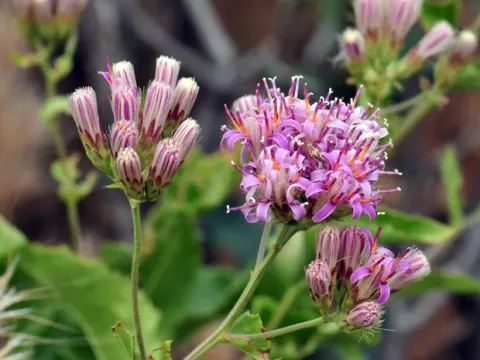
Botanically, Acourtia species are characterized by their basal rosettes and specialized flower heads, which often appear in bright, eye-catching colors. They have evolved to minimize water loss, making them excellent candidates for water-wise gardening.
Successful cultivation requires soil with excellent drainage properties. A sandy or rocky substrate is ideal to mimic the natural habitat, as the root system is highly prone to rot when exposed to sustained moisture levels.
Regarding climate, these plants prefer sunny locations with significant light exposure throughout the day. They possess a high tolerance for temperature fluctuations and thrive in areas where other ornamental plants might struggle due to drought.
The agricultural and horticultural use of Acourtia is focused on ornamental landscaping, particularly in regions promoting xeriscaping. They are increasingly valued for their low maintenance requirements and aesthetic contribution to desert-inspired gardens.
Root rot is the most critical threat to Acourtia populations. It is almost exclusively caused by poor soil drainage and irrigation practices that leave the root zone saturated for extended periods.
Spider mites can become a nuisance during hot, dry summer months, particularly in sheltered or poorly ventilated areas. Keeping the plant environment clean and ensuring good airflow is essential to prevent infestations.
Aphids may occasionally attack the flower stalks, leading to stunted growth or malformed blossoms. Integrated pest management, focusing on minimal chemical intervention, is recommended to manage these insect populations.
Fungal diseases, including powdery mildew, can occur if the humidity levels around the foliage remain too high. Always ensure that the irrigation is directed at the base of the plant rather than overhead.
Periodic monitoring for discoloration or wilting is recommended to ensure early detection of any disease. Prompt removal of infected tissue can prevent the spread of pathogens throughout the entire planting site.