
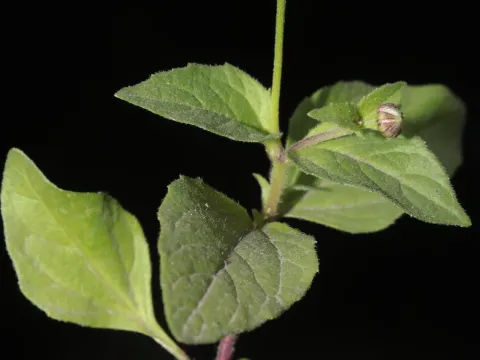
Acmella alba
Acmella alba
Acmella alba, a member of the Asteraceae family, is a heat-loving crop. Direct sowing should only commence once the soil temperature consistently stays above +15...+18°C, ensuring optimal conditions for germination.
What the section contains
Acmella alba
Using the transplant method is highly recommended for commercial production. Seeds should be sown in greenhouses or warm indoor environments by late March, providing sufficient light to avoid etiolation of seedlings.
The seeds are small and require shallow sowing at approximately 0.5 cm depth. They are photoblastic to some extent, meaning light access is beneficial for the emergence of strong, healthy seedlings.
Transplanting to the open field occurs when seedlings reach the 4-5 leaf stage. Proper spacing is crucial, with at least 30 cm between plants to facilitate adequate airflow and reduce the risk of diseases.
Growth is rapid once established, so timely planting is essential to ensure that the plant reaches its full reproductive potential before the shorter days and cooler temperatures of late summer.
Acmella alba thrives under direct sunlight and requires high light intensity throughout the day. Choosing a field location free from tall shadows is vital for maximizing the concentration of active compounds.
The ideal soil is fertile, light, and well-drained. Sandy loams or loamy soils with high organic matter content are preferred, as waterlogged conditions can lead to rapid root rot and stunted plant growth.
Maintaining a soil pH in the range of 6.0 to 7.0 is optimal for nutrient uptake. Incorporating compost or well-rotted manure before planting helps improve soil texture and provides slow-release nutrients.
Consistent moisture is key; the crop prefers steady irrigation rather than sporadic flooding. Drip irrigation systems are the most efficient way to maintain soil moisture levels without wetting the foliage.
Fertilization should be balanced. Nitrogen applications support early vegetative development, while phosphorous and potassium are critical during the budding stage to enhance flower development and quality.
Aphids and spider mites are the most common pests that affect Acmella alba. These insects thrive in hot, dry conditions and can cause significant damage to foliage if not monitored regularly.
High humidity and poor air circulation often lead to fungal infections such as powdery mildew and grey mold. Proper spacing and weed control are essential non-chemical preventative measures against these pathogens.
Slugs and snails pose a threat, particularly to young, tender plants. Installing physical barriers or using baits can effectively protect the crops during the critical early stages of growth.
Root rot is often a result of over-irrigation or poor drainage. Once a plant shows signs of wilting due to root damage, it is usually irreparable, making prevention through good irrigation management paramount.
Biological control agents are preferred for pest management to ensure the final product meets safety standards, especially since the plant is often utilized in herbal medicine and the food industry.
Harvesting usually takes place during the peak blooming phase, when the active components, including alkylamides, are at their highest concentration in the flower heads and leaves.
For fresh consumption, partial harvesting of leaves and flowers throughout the season is possible. This selective cutting encourages the plant to produce more lateral branches, increasing the total harvest yield.
When harvesting for medicinal or dried use, flower heads are cut using sharp tools. It is best to perform this task in the early morning to ensure the best quality and potency of the plant tissues.
Drying must be conducted at moderate temperatures, not exceeding +40°C, in a dark, well-ventilated area to preserve the chemical integrity of the essential oils and active ingredients.
Properly processed Acmella alba should retain its characteristic tingling sensation and flavor, serving as the ultimate indicator of quality and proper cultivation management.