
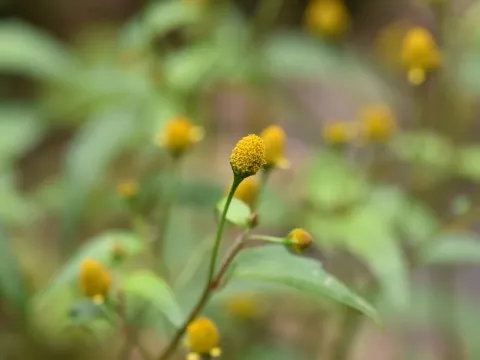
Acmella uliginosa
Acmella uliginosa
Acmella uliginosa is a tropical plant that requires warm soil temperatures to germinate, so sowing should only take place after the final spring frost has passed.
What the section contains
Acmella uliginosa
In temperate climates, the transplant method is preferred to allow the plant enough time to reach its full development phase during the short summer season.
Seeds are started indoors in small trays with a nutrient-rich, moist-retaining substrate approximately six to eight weeks before the outdoor planting date.
The seeds require light to germinate, so they should be sown on the surface of the growing medium and pressed lightly rather than covered with heavy soil.
Maintaining a constant temperature of +22 to +25 degrees Celsius is essential for high germination rates and the health of the young seedlings.
This species thrives in sunny, well-protected locations with high humidity, reflecting its natural habitat in marshy and damp tropical regions.
The soil must be fertile and consistently moist, but it requires excellent drainage to prevent the root system from developing rot under waterlogged conditions.
Acmella is sensitive to drought and will quickly show signs of wilting if water supply is inconsistent, especially during periods of high heat.
Applying organic compost or a balanced liquid fertilizer during the vegetative growth phase significantly enhances biomass production and floral yield.
Adequate spacing between plants is necessary to promote airflow, which prevents the build-up of humidity and reduces the incidence of common foliar diseases.
The economic yield of Acmella uliginosa is primarily measured by the mass of harvested flower heads, which are the main source of bioactive compounds like spilanthol.
Strategic harvesting of flower heads encourages the plant to produce continuous flushes of new blooms, significantly increasing the total yield per square meter.
High-yield cultivation requires precise control over lighting and irrigation, as the plant is highly responsive to environmental stressors that affect flowering.
Under optimal conditions, plants can produce multiple harvests of flowering tops throughout a single growing season, making it a productive herb for commercial use.
Post-harvest processing involves rapid drying to maintain the potency of the essential oils found in the flowers, ensuring a high-quality final product.
Common pests like aphids and spider mites can infest the plant, especially in greenhouse environments where conditions are warm and stagnant air is present.
Fungal pathogens such as powdery mildew or root rot are typical threats, usually stemming from poor drainage or lack of ventilation in the plant canopy.
Integrated pest management, including the use of beneficial insects, is highly recommended to protect the crop without relying on synthetic pesticides.
Regular monitoring of the lower leaf surfaces and the base of the plant is necessary to identify early signs of infestations before they become unmanageable.
Good sanitation practices, such as removing fallen leaves and pruning damaged parts, significantly reduce the risk of disease propagation across the plot.
Harvesting should be performed at the peak of flowering, as the concentration of active pharmaceutical compounds is highest when the florets are fully open.
The stalks are clipped with clean shears, allowing for multiple harvests if the plant is managed properly throughout the warm months.
Immediately after harvest, the raw material must be dried in a dark, well-ventilated area to prevent degradation of its medicinal and aromatic components.
Storage should be conducted in airtight, light-proof containers to protect the dried herbs from moisture and oxidative damage, preserving their efficacy for future use.
Both fresh and dried flower heads are utilized, but commercial demand often focuses on the dried form for easier transportation and storage.