
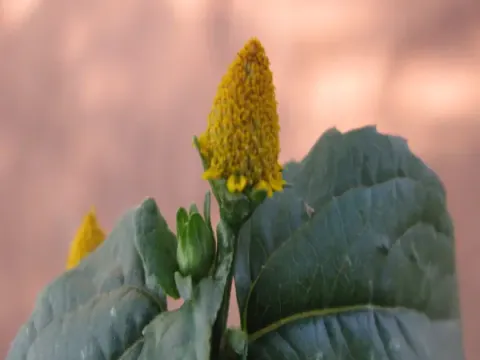
Acmella ciliata
Acmella ciliata
Acmella ciliata is a warmth-loving annual plant belonging to the Asteraceae family. Successful cultivation requires a frost-free, long growing season with consistently high temperatures to reach full maturity.
What the section contains
Acmella ciliata
Sowing via seedlings is highly recommended in temperate regions. Seeds should be sown in trays approximately 6 to 8 weeks before the last expected spring frost to ensure the plants are well-established for transplanting.
The seeds require light to germinate effectively, so they should be surface-sown or covered only with a very thin layer of soil. A warm environment with temperatures between 20°C and 25°C is ideal for uniform germination.
Transplanting into the open field should only occur once the soil has sufficiently warmed and the danger of frost has passed. Proper spacing, typically 30 by 40 centimeters, is crucial for plant health and airflow.
In tropical climates, direct seeding is possible once soil temperatures remain stable. Consistent moisture is vital during the initial growth phase, but waterlogging must be avoided to prevent seed rot.
Acmella ciliata thrives in sunny, sheltered locations with full sun exposure. Sufficient light is essential for the plant to produce its characteristic flower heads and maximize the production of secondary metabolites.
The soil should be fertile, well-draining, and rich in organic matter. A soil pH ranging from slightly acidic to neutral (6.0 to 7.0) provides the most favorable conditions for nutrient uptake and root development.
Regular irrigation is necessary to keep the soil evenly moist, especially during the peak flowering stage. Stress caused by drought can negatively impact both the yield and the quality of the raw material.
Nutrient management involves applying balanced fertilizers during the early growth stages to support vegetative development. As the plant enters the flowering phase, phosphorus and potassium should be prioritized.
Proper field maintenance includes regular weeding, as the crop does not compete well with vigorous weeds in its early development stages. Wind protection is also recommended to prevent physical damage to the plants.
The yield potential of Acmella ciliata is largely determined by the intensity of agricultural practices and the plant's health. The harvested material consists primarily of flowers and leaves rich in bioactive compounds.
Harvesting is typically carried out in multiple stages. Selecting the flower heads at their peak maturity ensures the highest concentration of spilanthol, which is essential for medicinal and culinary applications.
Intensive farming techniques, including regular harvesting of matured flowers, can significantly stimulate the plant to produce more vegetative growth and subsequent floral buds throughout the season.
Post-harvest handling is critical. Drying the material promptly at controlled temperatures is necessary to maintain the chemical composition, color, and aroma of the final product.
Effective yield monitoring allows farmers to optimize spacing and fertilization, ultimately improving the economic viability of the crop. Proper management of the harvest schedule is key to high-quality production.
Aphids and spider mites are the most common pests affecting this crop, particularly in hot, dry conditions. These pests suck sap from leaves and flower stalks, leading to stunted growth and reduced vigor.
Fungal diseases, including root rot and powdery mildew, present a significant threat, especially when soil moisture is poorly controlled or humidity levels are excessively high in the plant canopy.
Preventative measures include maintaining clean field conditions and ensuring proper spacing between plants to improve airflow. Early detection through regular crop scouting is essential for effective pest management.
Slugs and snails can cause damage to young seedlings after transplanting. Physical barriers or organic deterrents are often used to protect the vulnerable young foliage from such damage.
Integrated pest management strategies are advised to minimize reliance on chemical inputs. Encouraging beneficial insects can help keep pest populations below the economic threshold level.
The harvesting process requires precise timing to capture the plant at its peak medicinal potency. Harvesting should be performed on dry days, ideally during the morning after the dew has evaporated.
Flower heads and the upper portions of the stems are harvested using clean, sharp tools. Careful cutting encourages the plant to maintain a bushy growth habit and initiate new flowering cycles.
Immediately after harvest, the material should be transported to a drying facility. Drying in shaded, well-ventilated areas ensures the product remains stable and retains its valuable properties.
Storage should occur in airtight containers protected from moisture and light to prevent degradation. Proper post-harvest storage is essential for maintaining the product's market value.
Quality control during the harvesting and processing phases is vital for meeting industrial standards. Consistency in the drying and packing process leads to a superior end product for customers.