
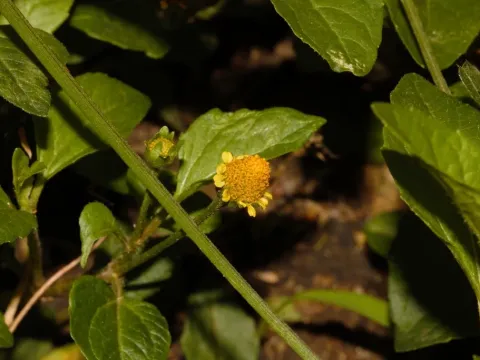
Acmella caulirhiza
Acmella caulirhiza
Sowing of Acmella caulirhiza is typically performed during the spring season once the soil temperature is consistently above 15 degrees Celsius.
What the section contains
Acmella caulirhiza
For regions with shorter growing seasons, starting the plants indoors in containers or small greenhouses is recommended to maximize the vegetative period.
The seeds are light-sensitive and should be sown on the surface of the soil with minimal coverage, ensuring consistent moisture for successful germination.
Once seedlings have developed two sets of true leaves, they should be thinned to provide adequate spacing, typically 25 to 30 centimeters apart.
Preparation of the seedbed involves creating a fine, weed-free texture that allows for optimal root establishment and nutrient uptake.
This species, belonging to the Asteraceae family, thrives best in locations that receive full sun for the majority of the day.
It prefers well-drained, nutrient-rich soils with a pH ranging from 6.0 to 7.5 to support healthy growth and secondary metabolite production.
Consistent soil moisture is crucial for Acmella caulirhiza; however, it is essential to avoid waterlogged conditions which can lead to root decay.
The plant performs best in warm climates and does not tolerate frost, requiring a long frost-free duration to reach full maturity.
Adequate organic matter incorporation into the soil before planting provides the necessary baseline for sustained growth throughout the summer months.
Common pests affecting this crop include aphids and spider mites, which tend to proliferate in dry and warm conditions if not managed early.
Fungal diseases, specifically root rot, may occur if the soil structure does not allow for efficient drainage during prolonged periods of heavy rainfall.
Early detection through regular field scouting is essential to mitigate damage from foliage-feeding insects that can significantly reduce leaf quality.
Implementing integrated pest management practices helps preserve beneficial insect populations while maintaining the health of the Acmella plants.
Good cultural practices, such as removing debris and preventing overcrowding, remain the most effective methods for reducing disease pressure.
Harvesting should ideally be scheduled during the peak flowering stage to maximize the concentration of phytochemicals in the flower heads.
The stems and blossoms are typically cut early in the day, after dew has evaporated but before the heat of the day causes oil evaporation.
Post-harvest processing involves gentle drying in a shaded, well-ventilated environment to maintain the potency of the herbal material.
Care must be taken during the harvesting process to ensure clean material, free from soil contamination, to meet high quality standards.
Final storage of the dried product requires airtight, light-proof containers to protect the sensitive compounds from oxidation and environmental degradation.