
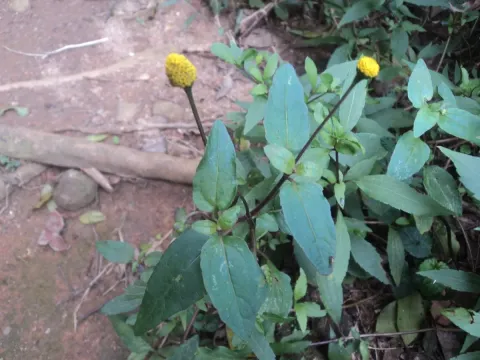
Acmella paniculata
Acmella paniculata
Acmella paniculata, belonging to the Asteraceae family, is a valuable herbaceous annual known for its bioactive compounds, particularly spilanthol, which possesses unique anesthetic properties.
What the section contains
Acmella paniculata
Sowing should be carried out after all risks of frost have passed, as this plant is highly sensitive to cold temperatures. Late spring is the optimal time to ensure soil temperatures are consistently above 15 degrees Celsius.
Seeds are extremely small and light-sensitive, so they should be sown on the soil surface, pressed lightly, and kept moist. Using a plastic cover can help maintain necessary humidity until germination.
For earlier production, starting seeds in seedling trays indoors during early spring is recommended. This practice ensures better control over the germination environment and helps establish robust plants.
Transplanting seedlings to the field should occur at a spacing of approximately 30 by 40 centimeters to allow adequate airflow and canopy development, which is vital for high-quality flower production.
Acmella paniculata thrives in full sun and requires well-drained, fertile soil rich in organic matter. Soil pH should ideally be neutral to slightly acidic for optimal nutrient uptake.
Regular irrigation is essential for this species. Drought stress significantly inhibits floral development and decreases the concentration of active ingredients in the harvested flower heads.
The plant is highly heat-loving, requiring consistent warm temperatures throughout the growing season to reach its full productive potential and avoid premature flowering.
Soil management includes the incorporation of compost before planting. During the vegetative stage, balanced fertilizers should be applied to support the rapid development of stems and foliage.
Weed control is critical during the initial growth stages, as the plant is sensitive to competition from aggressive weeds that can quickly suppress its growth.
The primary economic output of Acmella paniculata is its flower heads. These are harvested repeatedly throughout the season as they reach full maturity to ensure continuous production.
Proper harvest management stimulates the plant to produce new lateral branches, which significantly increases the overall yield per plant during the growing cycle.
This crop is increasingly utilized in the pharmaceutical industry for local anesthetic formulations and in the food industry as a unique natural flavor enhancer with a tingling sensation.
Yield efficiency is highly dependent on climate and consistent moisture levels. Intensive cultivation systems can produce multiple harvests if the plant is well-maintained and free from stressors.
Economic returns are maximized by harvesting in the peak of the flowering period when the concentration of the active alkaloid components is at its absolute highest level.
Acmella paniculata is generally robust but can suffer from root rot if drainage is poor or if the soil remains waterlogged for extended periods. Improving soil structure is the best preventative measure.
Common pests include aphids and spider mites, which tend to infest the plant during hot, dry weather. Regular inspection is necessary to manage these outbreaks early using soft intervention methods.
Slugs and snails may pose a threat to young seedlings. Using organic barriers or physical deterrents is highly effective in protecting the vulnerable young shoots after transplanting.
Integrated pest management should be prioritized to avoid the use of harsh chemicals, especially since the harvest is frequently used in consumable products and medicine.
Crop rotation should be strictly followed to prevent the accumulation of soil-borne pathogens, ensuring that the field remains healthy for future plantings of the species.
Harvesting is performed manually or with specialized equipment by selecting mature flower heads. This selective harvesting allows immature buds to continue developing on the plant.
Post-harvest, the flower heads must be dried quickly in a shaded, well-ventilated environment to prevent spoilage and preserve the integrity of the essential oils and active compounds.
Controlled-temperature drying in dehydrators ensures that the product maintains its aesthetic appeal and chemical potency, which are key quality indicators for market demand.
Dried product should be stored in airtight, light-proof containers. This protects the sensitive compounds from oxidation and degradation caused by light or humidity exposure.
With proper storage conditions, Acmella paniculata retains its effectiveness for 12 to 18 months, making it a reliable raw material for various industrial applications.