
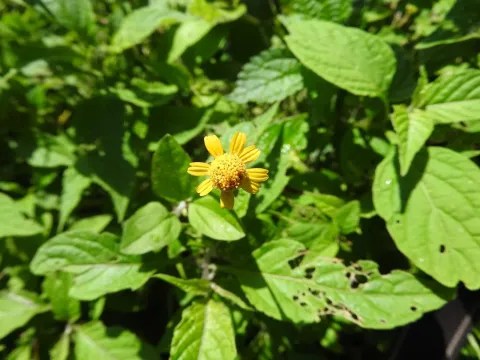
Acmella repens
Acmella repens
Acmella repens is an herbaceous plant belonging to the Asteraceae family. It is typically propagated by seeds, which require specific conditions to ensure successful germination. The ideal time for sowing is when soil temperatures consistently reach at least 18-20 degrees Celsius, ensuring rapid development.
What the section contains
Acmella repens
For indoor propagation, sowing should begin in late March or early April. Seeds are very small and should be pressed gently into the soil surface, covered by only a thin layer of substrate. Maintaining high humidity and consistent light is crucial during the first two weeks of development.
When sowing directly into the field, ensure a spacing of 30-40 cm between plants to allow adequate room for horizontal growth. Acmella repens has a creeping habit, which necessitates proper space management to prevent overcrowding and to promote healthy leaf production throughout the season.
Seedbed preparation is vital, as the soil should be fine-textured to accommodate the tiny seeds. Incorporating organic matter, such as peat or compost, can improve the moisture-holding capacity of the soil, which is essential for the initial establishment phase of the young plants.
During the germination period, avoid heavy rains that could wash away the shallowly sown seeds. Protective covers or greenhouses are recommended in regions with unpredictable weather conditions to ensure stable temperatures and minimize the risk of failure.
Acmella repens requires fertile, well-draining soil with a neutral to slightly acidic pH. The plant thrives in conditions with high light exposure, as shade can negatively affect both growth rate and the concentration of secondary metabolites in the foliage and flowers.
Temperature management is a key factor; the plant performs best at temperatures ranging from 22 to 28 degrees Celsius. Exposure to temperatures below 10 degrees Celsius can cause growth to cease or even lead to plant mortality, making it suitable mainly for warm temperate climates.
Consistent soil moisture is essential for this crop. In dry conditions, supplemental irrigation is necessary to prevent the plants from flowering prematurely, which would result in a loss of harvest quality. Drip irrigation is the most efficient method for maintaining soil moisture.
The plant is responsive to balanced NPK fertilizers, especially during the vegetative growth phase. However, excessive nitrogen application should be avoided, as it may lead to lush foliage growth at the expense of root health and overall plant resilience.
Wind protection is advised for large-scale plantings, especially in open fields, to prevent mechanical damage to the stems. Proper shelter ensures that the plants remain intact and can fulfill their growth potential without the stress of constant environmental exposure.
Aphids are the most frequent pests of Acmella repens, particularly during the active growing season. Regular scouting and the application of insecticidal soaps or neem oil are effective strategies for keeping populations below economic damage thresholds.
Fungal issues such as powdery mildew can become a problem in regions with high humidity or poor air circulation. To minimize these risks, it is essential to ensure adequate plant spacing and to prioritize the removal of any plant debris that could harbor spores.
Slugs and snails can cause significant damage to young seedlings. Implementing physical barriers like crushed shells or eggshells around the base of the plants can help prevent mollusk attacks during the early establishment phase of the crop.
Root rot is typically associated with poor drainage and over-irrigation. Prevention involves ensuring that the soil structure is friable and that the site does not have low-lying spots where water can accumulate and stagnate around the root zone.
- Monitor for leaf-feeding insects weekly.
- Avoid overhead irrigation late in the evening.
- Practice crop rotation every 2-3 years.
- Maintain weed-free conditions to reduce pest habitat.