
Kniphofia triangularis
Kniphofia triangularis Kunth
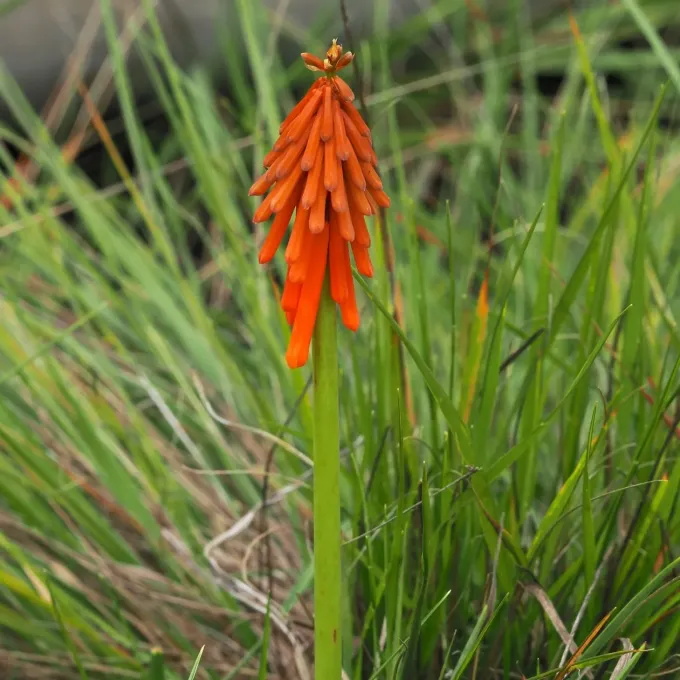
Description
Sowing dates
The sowing of Kniphofia triangularis seeds is best performed during the early spring months, from late March to mid-April. Using seedling trays filled with a light, well-draining soil mix is highly recommended to encourage healthy germination.
Seeds should be sown superficially, lightly dusted with a thin layer of sand or fine compost. Maintaining a consistent temperature between 20 and 22 degrees Celsius is crucial, along with ensuring the soil remains moist but not waterlogged throughout the germination process.
Pricking out the seedlings into individual pots is required once the first two true leaves appear. Young plants should be hardened off and planted outdoors only after the risk of frost has passed, which is typically in early June.
While direct sowing in protected areas is possible in warmer climates, starting seeds indoors is the most reliable method for growers in temperate regions to ensure a long growing season.
Division of mature clumps is an alternative propagation method. This task should be scheduled for the spring season as soon as the plant shows initial signs of active growth, facilitating the separation of the root system.
Growing requirements
Kniphofia triangularis, a member of the Asphodelaceae family, originates from the wetlands and grasslands of South Africa. Consequently, the plant thrives when provided with adequate, consistent moisture levels during its growth cycle.
The species is highly photophilic and requires a sunny location to reach its full potential. A minimum of six to eight hours of direct sunlight is necessary to support robust growth and vibrant flowering throughout the summer.
Soil requirements for this crop include high fertility, good structure, and excellent drainage. Heavy soils must be amended with organic matter or grit to prevent the roots from rotting, which is a common failure point for this species.
The optimal pH range for this plant is between neutral and slightly acidic. Incorporating compost or well-rotted manure during the preparation of the planting site provides the necessary nutrients for the season.
In cooler climates, winter protection is non-negotiable. Gardeners are advised to bundle the foliage and mulch the root zone heavily with dry leaves or peat to protect the crown from freezing temperatures during the winter months.
Main diseases and pests
Root rot, driven by excessive moisture and poor soil drainage, is the most significant threat to the health of Kniphofia triangularis. Ensuring proper site selection and avoiding over-watering is essential for disease prevention.
Aphids can frequently colonize the succulent flower stalks and tender leaves. Effective management involves the use of systemic insecticides or targeted biological controls to prevent the rapid spread of infestations.
Spider mites represent a risk, particularly during periods of prolonged drought and low atmospheric humidity. Regular misting and monitoring are recommended to mitigate the damage caused by these pests.
Thrips may also pose a threat, leaving unsightly silver patches on the leaves. Keeping the surrounding area free of weeds reduces the hosts available for these insects and contributes to a healthier plant environment.
Nematodes are a less common but severe issue that affects the root systems, leading to stunted growth. Using certified, clean planting material and practicing proper crop rotation helps minimize this risk.
Harvesting
The primary use for Kniphofia triangularis is ornamental, particularly in landscaping and floral design. Cut flowers should be harvested when approximately one-third of the florets on the spike have opened to maximize vase life.
Spent flower stalks should be removed promptly to prevent the plant from wasting energy on seed production and to encourage the emergence of new, healthy shoots throughout the remainder of the season.
Seed harvesting should occur in dry weather when the seed capsules begin to brown. After collection, the capsules should be air-dried in a ventilated space, and the seeds processed for storage in cool, dark environments.
End-of-season maintenance involves trimming back dead foliage and cleaning up the growing area. This practice promotes plant hygiene and reduces the overwintering sites for potential garden pests.
For large-scale cultivation or nursery production, periodic division every few years is standard. This process rejuvenates the clumps and ensures the production of high-quality, uniform planting stock for future seasons.