
Kniphofia nelsonii
Kniphofia nelsonii Mast.
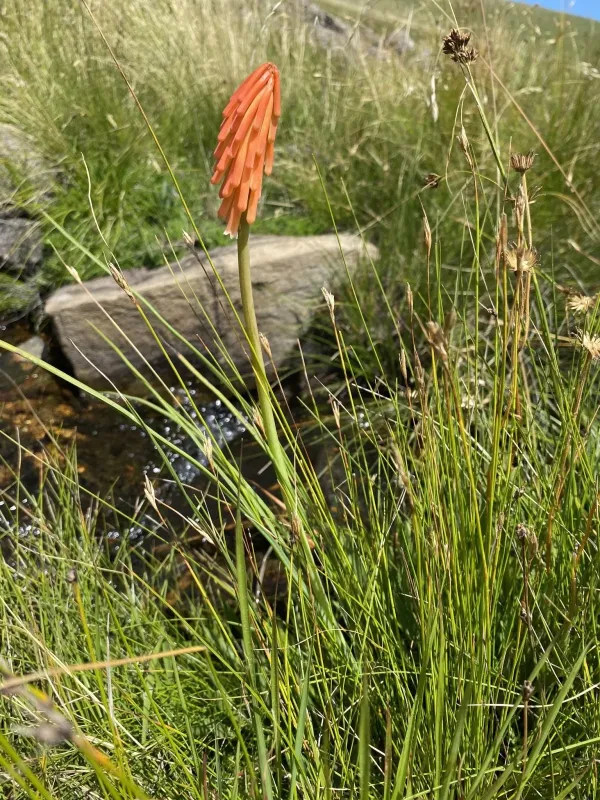
Description
Sowing dates
The sowing of Kniphofia nelsonii seeds is best performed in late February or early March to ensure the plants have enough time to develop before the growing season. Seeds should be placed in containers with light, well-draining soil and kept in a bright area with temperatures around 20–22 degrees Celsius.
Strategic stratification of the seeds for a period of two to three weeks is recommended to improve germination rates significantly. Once the seedlings develop their first true leaves, they should be carefully pricked out into individual pots to provide adequate space for root growth.
Transplanting into the garden bed should occur only after all risks of frost have passed, typically in late spring or early summer. Before full outdoor exposure, the seedlings must be hardened off gradually over a week to prevent transplant shock.
When planting, it is essential to maintain a distance of at least 40–50 centimeters between individual plants to accommodate their natural spread. Overcrowding often leads to poor air circulation, increasing the likelihood of fungal issues.
Choose the sunniest spot in the garden, as Kniphofia nelsonii requires significant direct light to produce its characteristic vibrant spikes and maintain a healthy growth habit throughout the season.
Growing requirements
Kniphofia nelsonii is a member of the Asphodelaceae family, native to the high-altitude regions of South Africa. The plant thrives best in loose, well-drained soil with a neutral to slightly acidic pH level.
Providing an excellent drainage system is the most critical requirement for this species, as stagnant water in the crown area during colder months will inevitably lead to root rot. If the soil is heavy or clay-like, incorporating sand or fine gravel is necessary.
In temperate climates, the species requires reliable protection during winter or may even need to be dug up and stored in a cool, frost-free environment. While the plant can handle short periods of drought, it prefers moderate moisture levels during the active growth phase.
Fertilizing is performed twice per season: use nitrogen-rich fertilizers in early spring to support foliage, and switch to phosphorus and potassium-based nutrients just before the budding stage to promote flower development.
Gardeners should perform surface cultivation around the base of the plant to keep the soil aerated, ensuring that the root system receives sufficient oxygen without causing mechanical damage to the rhizomes.
Main diseases and pests
Root rot is the most common threat to Kniphofia nelsonii, usually caused by overwatering or inadequate soil drainage. Affected plants show wilting and decay at the base, requiring immediate improvement of drainage conditions and application of fungicides.
Aphids and spider mites are frequent pests that attack the foliage and flower stalks, especially during hot and dry weather conditions. Regular inspection and the use of appropriate systemic insecticides are recommended to keep populations under control.
Thrips can also damage the flower buds, causing malformation and reduced ornamental value. It is crucial to monitor the spikes during the blooming period and apply necessary pest control measures at the first sign of infestation.
Nematodes are another potential problem that can stunt plant growth and cause deformations in the root structure. Prevention through proper crop rotation and selecting non-infested soil remains the best strategy for control.
Maintaining garden hygiene by removing dead or decaying leaves and stalks is essential to preventing the spread of diseases and reducing the habitats available to harmful insects during the off-season.