
Kniphofia pauciflora
Kniphofia pauciflora Baker
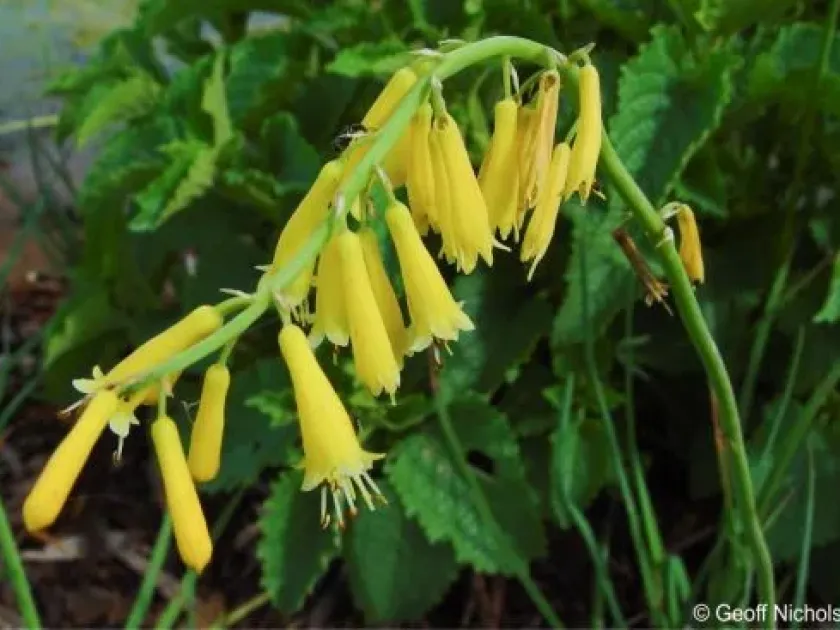
Description
Sowing dates
Sowing of Kniphofia pauciflora seeds is typically performed in greenhouses or indoors during late March. This timing ensures that young seedlings develop in a controlled, warm environment.
Seeds should be sown in a high-quality, moist substrate and covered with a very thin layer of soil. Constant moisture levels must be maintained throughout the germination period to ensure success.
Once the seedlings develop at least two or three true leaves, they should be carefully pricked out into individual containers. This allows the roots to expand without competition from neighboring plants.
Transplanting to the permanent location in the open garden occurs in early June. Ensuring the soil has warmed up is critical for the establishment of the young plants in the new environment.
It is important to remember that plants grown from seeds will generally only reach their full flowering potential in their second year, as they require time to establish a robust root system.
Growing requirements
Kniphofia pauciflora, a member of the Asphodelaceae family, is a distinct species native to the wetlands of South Africa. Its unique biology demands specific attention to its natural habitat needs.
This species thrives in sunny positions with plenty of natural light. While it prefers full sun, in extremely hot climates, some dappled shade during the hottest part of the day can be beneficial.
The soil should be fertile, moisture-retentive, and well-drained. The species is highly sensitive to stagnant water, which can easily trigger rot, making a proper drainage system essential for health.
Regular watering is required, especially during dry spells in the growing season. The root zone should remain consistently moist but never waterlogged to avoid damaging the crown of the plant.
Fertilization with a balanced, slow-release fertilizer at the beginning of the spring promotes vigorous growth and enhances the development of the characteristic yellow inflorescences.
Main diseases and pests
Root rot is the most significant threat to Kniphofia pauciflora, usually caused by poor drainage or excessive soil moisture. Preventative measures include using sandy loam and adding grit to the soil mix.
Common pests such as aphids and spider mites can attack the foliage, especially in dry and hot conditions. Inspecting the undersides of the leaves periodically can help identify and address early infestations.
Slugs and snails can also be problematic, especially in the spring. Implementing manual barriers or biological control methods is recommended if significant foliage damage begins to appear.
Good air circulation is vital to prevent fungal diseases like powdery mildew. Proper spacing between individual plants during the initial planting phase helps keep the foliage dry and healthy.
Overwintering requires special attention in cooler climates. The leaves should be tied up to protect the crown, and the base should be heavily mulched with dry straw or peat to prevent frost damage.