
Kniphofia galpinii
Kniphofia galpinii Baker
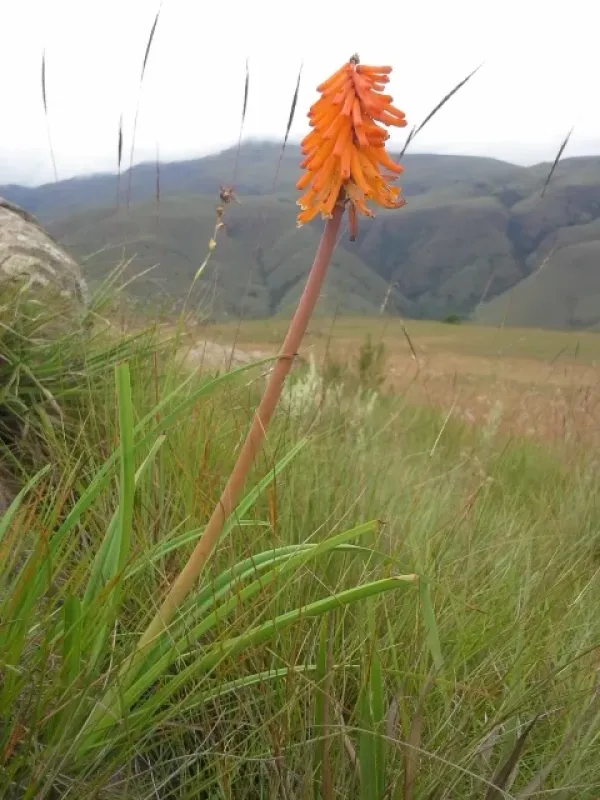
Description
Sowing dates
Kniphofia galpinii, a member of the Asphodelaceae family, is a perennial herbaceous plant widely valued in ornamental horticulture. Propagation is typically achieved through seeds or division of established clumps.
Seed sowing is conducted in late February or early March using a well-draining, lightweight substrate. The containers should be placed in a warm environment with temperatures around 20-22 degrees Celsius.
Seedlings require thinning and should be pricked out once the second pair of true leaves appears. Proper light management is crucial to prevent etiolation during the early growth stages.
Transplanting into the garden occurs after the danger of spring frost has completely passed, which ensures the establishment of strong roots in the warming soil.
Division of mature specimens is best performed in the spring season when the plant begins its vegetative cycle, ensuring high survival rates for the new offsets.
Growing requirements
The culture thrives in full sun exposure. It is essential to select sites that receive direct sunlight throughout the day to ensure vigorous growth and vibrant flowering.
Well-draining, nutrient-rich soil is a prerequisite for success. The species is highly sensitive to waterlogging, which can cause rapid rot of the fleshy root systems.
Soil pH should ideally be neutral or slightly acidic. On clay-heavy substrates, it is recommended to amend the soil with coarse sand or organic matter to improve aeration.
Watering requirements are moderate; while the plant exhibits good drought tolerance once established, consistent moisture is beneficial during the active flowering phase.
Winter care is a critical factor in regions with harsh climates, requiring either heavy mulching or lifting the rhizomes to prevent frost damage during winter months.
Main diseases and pests
Fungal diseases, particularly those affecting the root zone, pose a significant risk when moisture levels in the soil are incorrectly managed or remain excessively high.
Common insect pests include aphids and spider mites. These pests thrive in dry conditions and can cause significant damage to the plant's foliage if left untreated.
Management of pest populations involves the timely application of insecticides and maintaining good airflow between plants to reduce the risk of secondary infections.
Prevention focuses on standard agrotechnical practices such as proper plant spacing and maintaining soil health to ensure the plant's natural resilience.
- Proper drainage implementation.
- Regular monitoring for pest outbreaks.
- Sanitation of the garden area.