
Pseudopanax laetus
Pseudopanax laetus
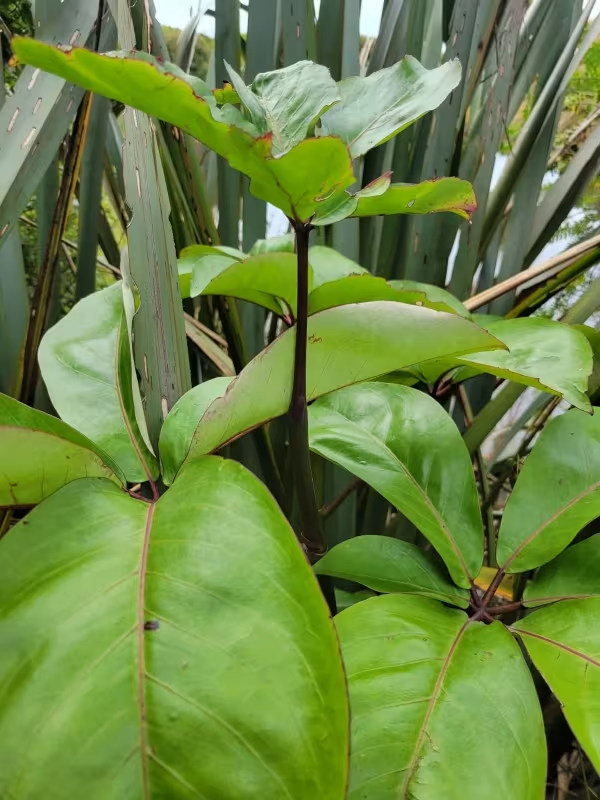
Description
Growing requirements
Pseudopanax laetus is a distinctive evergreen shrub or small tree belonging to the Araliaceae family. It is native to the temperate forests of New Zealand, where it thrives in humid and protected environments.
The plant is known for its large, glossy, leathery leaves that are arranged in a palmately compound structure. This architectural foliage makes it a highly desirable species for collectors of exotic plants and landscape designers.
Cultivation requires a sheltered location with partial shade to protect the foliage from intense midday sun. It is essential to ensure that the site is protected from harsh, drying winds which can scorch the leaves.
The soil should be fertile, moist, and well-drained. A slightly acidic to neutral pH level is ideal for healthy growth. If the soil is heavy clay, amending it with organic matter is necessary to prevent root suffocation.
In practice, Pseudopanax laetus is widely used in residential landscapes and conservatory plantings. It is appreciated for its low-maintenance nature once established and its ability to add a tropical look to a temperate garden.
Main diseases and pests
The primary threats to Pseudopanax laetus include root rot and other fungal diseases caused by poor drainage or excessive irrigation. Waterlogging is the most common cause of failure in container-grown specimens.
Insect pests, particularly mealybugs and scale insects, frequently target the sap-rich stems and leaf undersides. These pests can weaken the plant and lead to secondary infections like sooty mold.
Management involves regular monitoring and the use of horticultural oils or systemic insecticides when necessary. Keeping the plant in an area with good air circulation significantly reduces the risk of infestation.
Leaf spot diseases may occur in high-humidity environments with insufficient ventilation. Prompt removal of damaged leaves and thinning out the canopy can help mitigate the risk of disease spread.
Proper nutritional balance is key to resilience. Over-fertilization can result in lush but soft growth, which is significantly more attractive to pests and less resistant to environmental stress.