
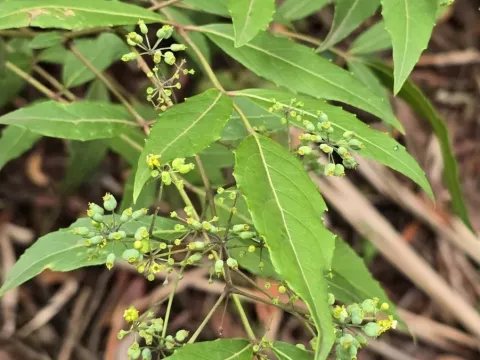
Polyscias
Polyscias J. R. Forst. & G. Forst.
Polyscias is a genus of evergreen shrubs and small trees belonging to the Araliaceae family. These plants are native to the tropical regions of Asia, the Pacific Islands, and Madagascar, thriving in humid forest environments.
What the section contains


Polyscias
Botanically, Polyscias is distinguished by its dense, woody structure and diverse foliage, ranging from fern-like patterns to broad, variegated leaves. The name is derived from Greek words meaning "many" and "shade," highlighting their lush growth habit.
The climate requirements for this plant focus on high humidity and consistent temperatures. It thrives in an environment ranging from 20°C to 25°C. Exposure to sudden temperature drops or freezing conditions will likely cause immediate leaf drop.
Soil requirements involve a well-draining, nutrient-rich medium. A mix containing peat moss, pine bark, and perlite is ideal for mimicking the tropical forest floor and preventing the waterlogged conditions that lead to root rot.
Regarding light, Polyscias prefers bright, indirect sunlight. While some varieties can tolerate lower light levels, bright conditions are essential for maintaining the vibrancy of variegated foliage and promoting healthy, compact growth.
Spider mites, scale insects, and mealybugs are the primary threats to the plant, especially in indoor environments with low humidity. Regular leaf cleaning and maintaining adequate moisture levels are effective preventative measures against these pests.
Root rot, caused by overwatering or poor drainage, is the most common disease. Symptoms include yellowing leaves and a softening of the stems. If detected, the plant should be repotted into fresh, dry soil and damaged roots should be pruned.
Leaf spot diseases may occur if the plant is kept in a stagnant, humid environment without proper ventilation. Ensuring good airflow around the canopy helps reduce the risk of fungal infections settling on the foliage.
Stress-induced leaf drop is a frequent issue if the plant is moved frequently or subjected to drafts. Consistent care and choosing a permanent location are vital for the plant's long-term health and aesthetic appeal.
Chemical control should be used as a last resort, utilizing insecticidal soaps or systemic fungicides. Integrated pest management, focusing on biological balance, is highly recommended for keeping Polyscias specimens healthy.