
Pseudopanax colensoi
Pseudopanax colensoi
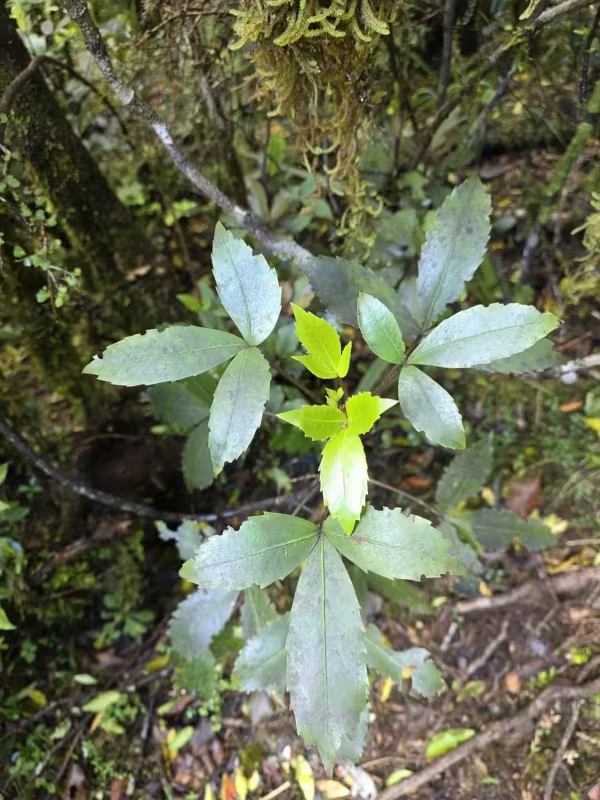
Description
Growing requirements
Pseudopanax colensoi, commonly known in its native New Zealand range, is an evergreen shrub or small tree belonging to the Araliaceae family. This species is highly valued for its distinct foliage and is widely found in native forests, exhibiting significant resilience to varying environmental conditions.
Cultivation of this species requires well-draining, nutrient-rich soil to ensure healthy root development. It thrives best in environments that mimic its natural habitat, which includes moderate humidity levels and protection from intense, direct solar radiation throughout the midday hours.
The climate requirements involve a temperate range, as the plant is not frost-hardy in extreme conditions but appreciates cooler temperatures for optimal growth. Providing a sheltered location that offers protection from strong winds is crucial for maintaining the plant's structural integrity.
A consistent soil moisture level is essential for Pseudopanax colensoi; however, irrigation practices must be carefully managed to prevent waterlogging. Implementing a coarse organic mulch around the base helps regulate soil temperature and moisture retention.
Propagation is generally performed via seeds or semi-hardwood cuttings. Successful cultivation requires attention to light exposure and substrate quality, ensuring that the plant is placed in a spot that allows for steady, non-forced development.
Main diseases and pests
Root rot pathogens represent the most significant threat to Pseudopanax colensoi when grown in poorly drained soils. Overwatering creates anaerobic conditions that favor fungal infection, often leading to rapid decline if left unaddressed.
Pests such as spider mites and scale insects frequently target the foliage, causing chlorosis or deformation of leaves. Regular monitoring of the plant’s undersides is advised for early detection and mitigation of potential infestations.
Slugs and snails can cause substantial damage to young plants, particularly during periods of high humidity. Barrier methods, such as crushed eggshells or copper tape, are effective ways to protect vulnerable tissues from mollusk damage.
Leaf spot diseases, caused by various fungal pathogens, may manifest under conditions of poor air circulation. It is recommended to keep the planting site clean and avoid overhead irrigation to minimize the duration of leaf wetness.
General hygiene, including the removal of dead or decaying plant matter, is vital to prevent the spread of diseases. If necessary, targeted fungicide applications can be used during the peak growing season to maintain plant vigor.