
Pseudopanax hybrids
Pseudopanax hybrids
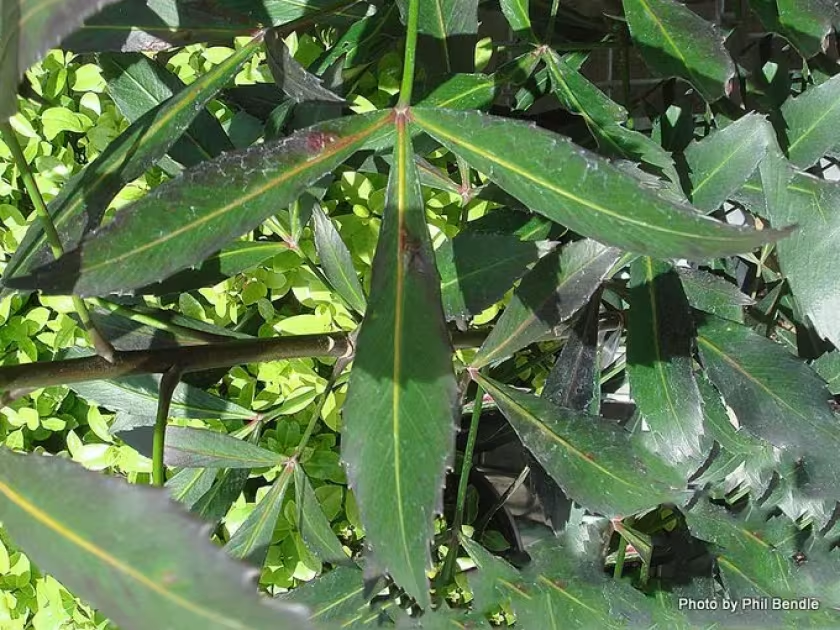
Description
Growing requirements
Pseudopanax hybrids belong to the Araliaceae family and represent a diverse group of ornamental shrubs and small trees. Originating from the diverse climates of New Zealand, these plants are highly prized for their architectural foliage and the striking transition in leaf shape from juvenile to mature stages.
The cultural success of this plant depends on the choice of soil, which must be well-draining and rich in organic matter. Sandy or loamy soils are preferred, as they prevent the water stagnation that the root systems of these plants are particularly sensitive to in cooler periods.
Climate requirements involve sheltered environments with mild temperatures. While some hybrids exhibit moderate frost tolerance, they generally thrive in temperate zones where extreme cold is absent. Excessive exposure to drying winds can severely damage the foliage and stunt the growth rate.
Light management is crucial, as Pseudopanax requires bright but indirect light to maintain its optimal color and structural integrity. In full sun, the leaves may lose their intensity, while deep shade can cause the plant to become leggy and lose its characteristic branching pattern.
The agrotechnics of maintaining these plants include regular application of balanced fertilizers during the growing season. Pruning should be performed strategically to shape the plant and remove any weak or overlapping branches, which helps to maintain the health and vigor of the entire shrub.
Main diseases and pests
The most common threat to Pseudopanax is root rot caused by improper watering regimes. Over-watering creates an environment suitable for soil-borne pathogens, which can lead to rapid decay of the vascular system of the plant, often resulting in sudden decline.
Pest pressure is primarily driven by aphids and scale insects, which target the tender new growth. These pests can extract significant amounts of nutrients and produce honeydew, which further attracts sooty mold, leading to further decline in the plant's aesthetic value.
Fungal issues, such as powdery mildew, often arise in environments with stagnant air and high humidity. Ensuring adequate airflow between plants is essential for prevention, as a dry canopy is significantly more resilient against common fungal spores.
Integrated pest management strategies should be employed, focusing on early detection and biological control methods where possible. Regular inspections of the undersides of the leaves are recommended to catch infestations before they spread to the entire specimen.
Economically, these plants are highly valued in the nursery industry for their use in high-end landscaping. They serve as excellent structural elements in garden design, providing a unique vertical interest and a touch of the exotic to various planting schemes.