
Rhaphidophora angustata
Rhaphidophora angustata
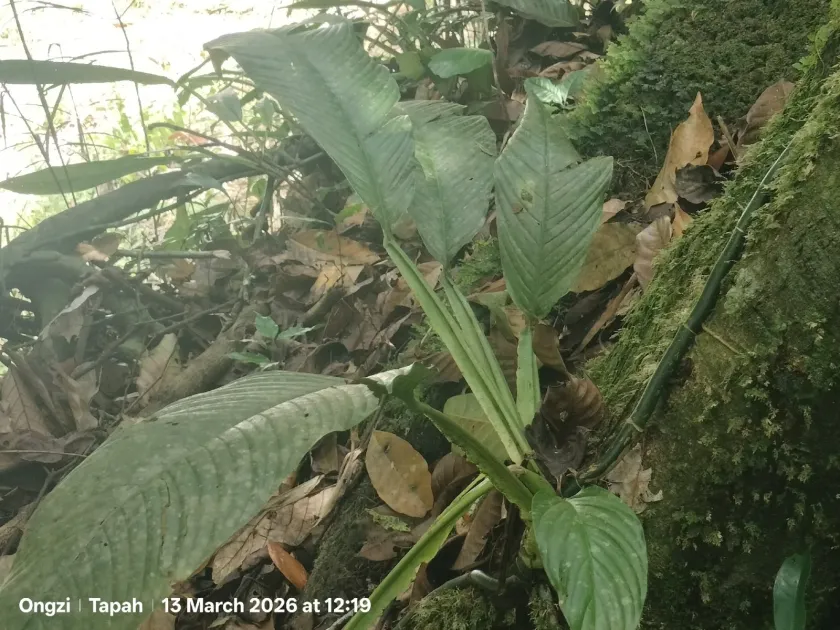
Description
Growing requirements
Rhaphidophora angustata is a perennial evergreen climbing vine belonging to the Araceae family. This species functions primarily as an epiphyte in its natural habitat, utilizing host trees as structural support to climb toward the forest canopy in search of filtered light.
Originating from the tropical rainforests of Southeast Asia, the plant thrives in environments characterized by high ambient humidity and consistently warm temperatures. Its natural distribution is linked to regions with dense vegetation, where the plant occupies the understory niches of the ecosystem.
Botanically, the species is recognized by its distinctively narrow, elongated foliage, which is an evolutionary adaptation for efficient water shedding and sunlight capture in deep shade. The plant produces aerial roots at each node, facilitating its ability to cling to various surfaces and reach significant heights.
For successful cultivation, the plant requires a well-aerated, coarse-textured potting medium that mimics the epiphytic environment. Essential nutrients should be provided through organic amendments, ensuring that the root system remains healthy, well-oxygenated, and protected from compaction.
In terms of agricultural and horticultural utilization, Rhaphidophora angustata is valued as an ornamental specimen in high-end interior design and specialty glasshouse collections. Its unique morphological structure makes it a highly desirable plant for vertical garden installations where aesthetic appeal and air-purifying properties are prioritized.
Main diseases and pests
Common pest threats for this species include spider mites, mealybugs, and scale insects, particularly when humidity levels are inadequate. Regular monitoring of leaf surfaces and stems, combined with maintaining optimal environmental hygiene, is necessary to mitigate the risk of severe infestations.
Pathogenic threats are primarily associated with improper irrigation practices, leading to root rot and crown rot. Overwatering in poorly draining substrates often results in bacterial or fungal degradation of the stem base, necessitating immediate correction of soil moisture management and the application of systemic fungicides if infection occurs.